The breakdown of the US-Iran deal has set off a chain reaction of military strikes, market turbulence, and strategic realignments, with no clear off-ramp in sight.
What to know
- The US-Iran deal collapsed on July 8, 2026, triggering a sharp rise in geopolitical risk.
- US retaliatory strikes were launched after missile attacks on ships, heightening the risk of a broader invasion.
- Trump outlined a grand strategy in Ankara, targeting China and strengthening alliances, signaling a shift in global priorities.
- Oil tankers reversed course from the Strait of Hormuz, raising fears of supply disruptions and energy price spikes.
- Market confidence in future diplomatic or military resolutions has been severely undermined.
- The escalation complicates peace prospects and increases the likelihood of further U.S. military actions.
The Deal That Wasn’t
The diplomatic framework that had kept the US and Iran in a tense but managed standoff has crumbled. Reports from July 8 confirm that the deal collapse was not a sudden rupture but the culmination of months of deteriorating trust and shifting strategic calculations. The result is a vacuum in which military logic now dominates.
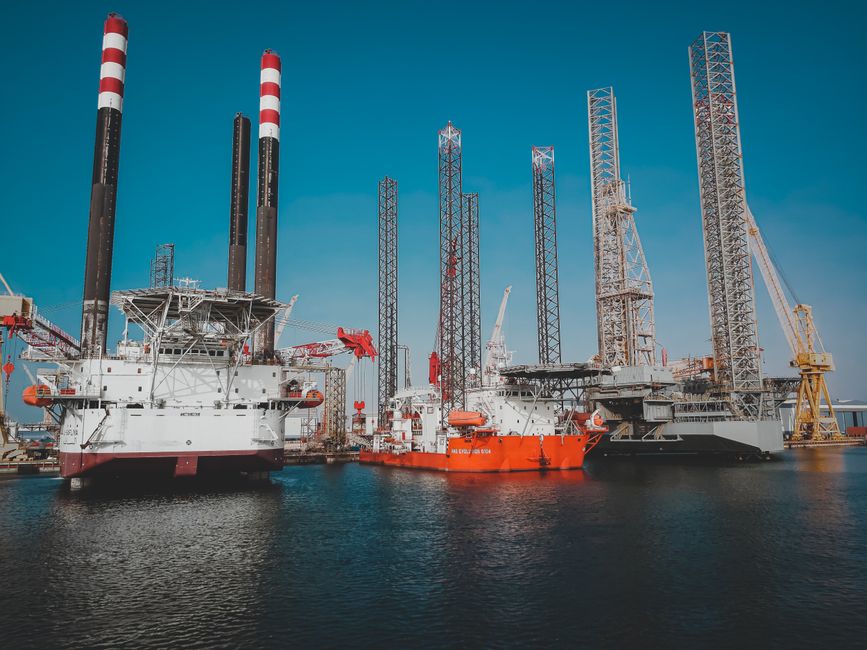
The collapse of the US-Iran deal heightens geopolitical tensions, affecting market confidence in future diplomatic and military resolutions.
Without a functioning agreement, both sides have reverted to deterrence through force. The US has already conducted retaliatory strikes in response to missile attacks on ships, a move that signals a willingness to escalate rather than contain the conflict.
Strikes and Retaliation
On July 8, US forces carried out powerful strikes on Iran after missile attacks targeted naval vessels. The retaliation was swift and described as “powerful,” though specific targets and casualties remain unconfirmed. This military response marks a significant escalation from previous patterns of proxy conflict to direct confrontation.
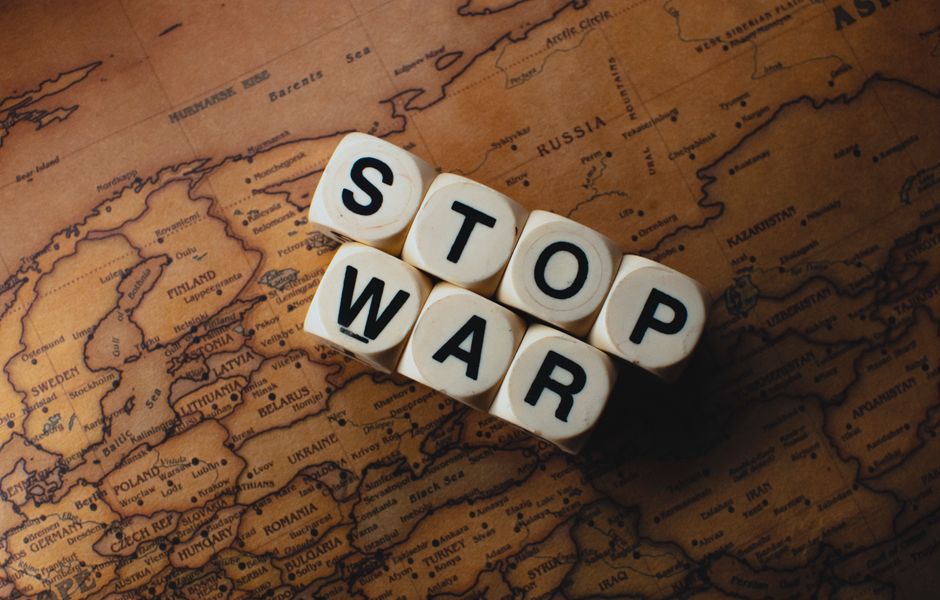
The escalation undermines diplomatic efforts, heightens invasion risks, and destabilizes regional markets, complicating future peace prospects.
The risk of a full-scale invasion has increased. Analysts fear that retaliatory strikes could trigger a cycle of violence that draws in regional proxies and disrupts critical infrastructure, including oil facilities and shipping lanes.
Market Fallout
Financial markets reacted with immediate volatility. The deal collapse has fueled broad uncertainty about future agreements and the stability of the region. Investors are pricing in prolonged disruption, particularly in energy markets.
Crypto Briefing, which first reported the developments, noted that the crisis is directly affecting market confidence. The price of oil is expected to surge as tankers reverse course from the Strait of Hormuz, a chokepoint for global crude flows.
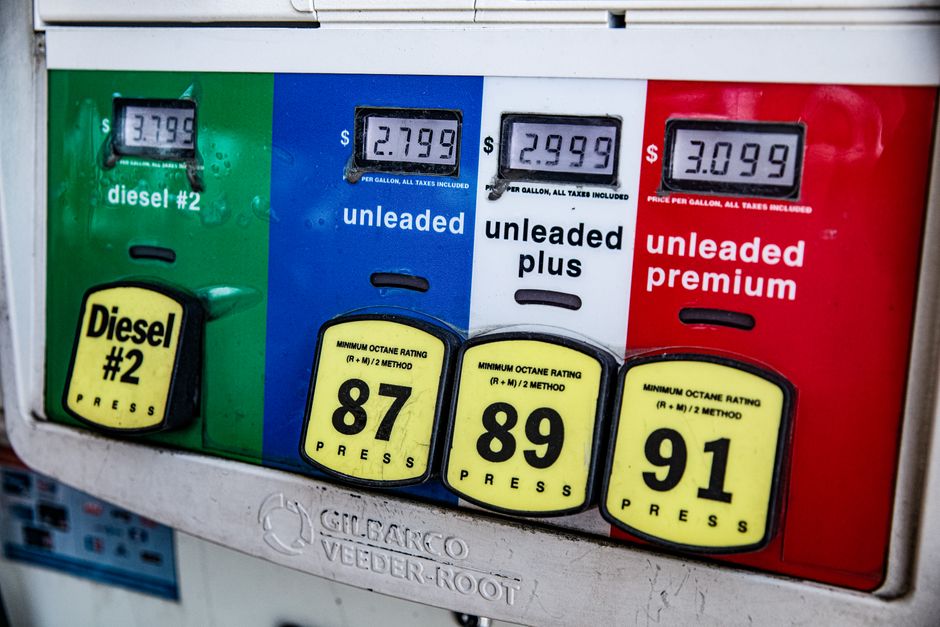
Heightened US-Iran tensions risk disrupting global oil supply routes, potentially destabilizing international markets and regional security.
Equity markets in the Middle East and Asia have already seen sell-offs, and safe-haven assets like gold and the dollar are strengthening. The uncertainty is likely to persist as long as diplomatic channels remain closed.
Trump’s Grand Strategy in Ankara
Amid the crisis, Trump outlined a grand strategy in Ankara that shifts focus toward China while reinforcing alliances with key partners like Turkey. The speech in Ankara signals that the US is not solely focused on Iran but is recalibrating its global posture to counter Beijing’s influence.
Trump's strategy may heighten global tensions, potentially leading to increased U.S. military actions and impacting geopolitical stability.
This dual front — direct confrontation with Iran and strategic competition with China — raises the stakes for all parties. The Ankara address also hinted at stronger cooperation with Turkey, a NATO member with complex ties to both Iran and the US.
Regional Instability and Invasion Risks
The combination of military strikes, collapsed diplomacy, and a shifting strategic framework has destabilized the entire region. Invasion risks are not hypothetical. Trump’s claims that he prevented Turkey from siding with Iran suggest active efforts to isolate Iran diplomatically, but the move also risks pushing other actors into unpredictability.
Trump's claims may hinder US-Iran diplomacy, reducing chances of peace talks and affecting geopolitical stability and market dynamics.
Countries in the Gulf are now forced to choose sides, and non-state actors could exploit the chaos. The Strait of Hormuz remains a flashpoint; any disruption there would have immediate global economic consequences.
The Oil Factor
Oil tankers reversing course from Hormuz is a telling indicator. The Strait handles about 20% of global oil consumption. Even temporary disruptions can send prices soaring and trigger inflationary pressures worldwide. The US may consider releasing strategic reserves, but that is a short-term fix for a structural crisis.
Energy markets are now pricing in a risk premium that could last months. For importing nations, especially in Asia, this adds economic strain at a time when growth is already fragile.
Diplomatic Fallout
The deal collapse has effectively reset the diplomatic clock to zero. Future peace prospects are complicated by the mutual distrust and the new reality of direct strikes. International mediators face an uphill battle. The US and Iran are now in a cycle where each escalation makes negotiation harder.
The escalation undermines diplomatic efforts, heightens invasion risks, and destabilizes regional markets.
For now, diplomatic channels are all but closed. The focus is on military positioning and alliance building, as seen in Ankara.
Looking Ahead
The coming weeks will determine whether this crisis escalates into a prolonged military conflict or if backchannel talks can revive some form of agreement. Markets will remain on edge, watching for any signs of de-escalation or further retaliation.
Key indicators include oil tanker movements, strike frequency, and statements from Tehran and Washington. The Ankara strategy suggests Trump is thinking long-term about great-power competition, but the immediate challenge is preventing a regional war with Iran.
Investors and policymakers alike must prepare for a volatile period where geopolitical risk dominates market narratives. The collapse of the deal is not just a bilateral failure — it is a systemic shock to global stability.