A landmark agreement between the United States and Iran has reopened the strategic Strait of Hormuz, shifting the global energy landscape and giving the Federal Reserve room to prioritize stability over aggressive rate hikes.
What to know
- The US-Iran deal has led to the reopening of the Strait of Hormuz, a critical chokepoint for global oil shipments.
- Stabilized energy markets are easing inflationary pressures, reducing the need for the Federal Reserve to hike rates.
- The Federal Reserve can now prioritize economic stability over crisis-driven monetary tightening.
- President Trump is attending the G7 summit in Europe amid these shifting geopolitical dynamics.
- Gas prices are expected to decline following the reopening, providing relief to consumers.
- Investor confidence is boosted by the de-escalation framework, though nuclear talks remain a critical hurdle.
- The deal’s positive impact on global markets may be tempered by unresolved denuclearization issues.
- The reopening marks a significant shift in US-Iran relations after years of tension.
The Strategic Reopening of the Strait of Hormuz
The Strait of Hormuz has long been one of the world's most vital energy arteries. A narrow passage connecting the Persian Gulf to the Gulf of Oman, it handles a substantial portion of global oil shipments. When tensions between the US and Iran escalated earlier this year, the strait's closure sent crude prices soaring and amplified inflation fears worldwide.
Now, with a deal in place, the strait is open again. The immediate relief in energy markets has been palpable, with analysts expecting a steady decline in oil and gasoline prices. The move not only soothes supply-side anxieties but also lifts a heavy weight from the shoulders of central bankers, particularly at the Federal Reserve.
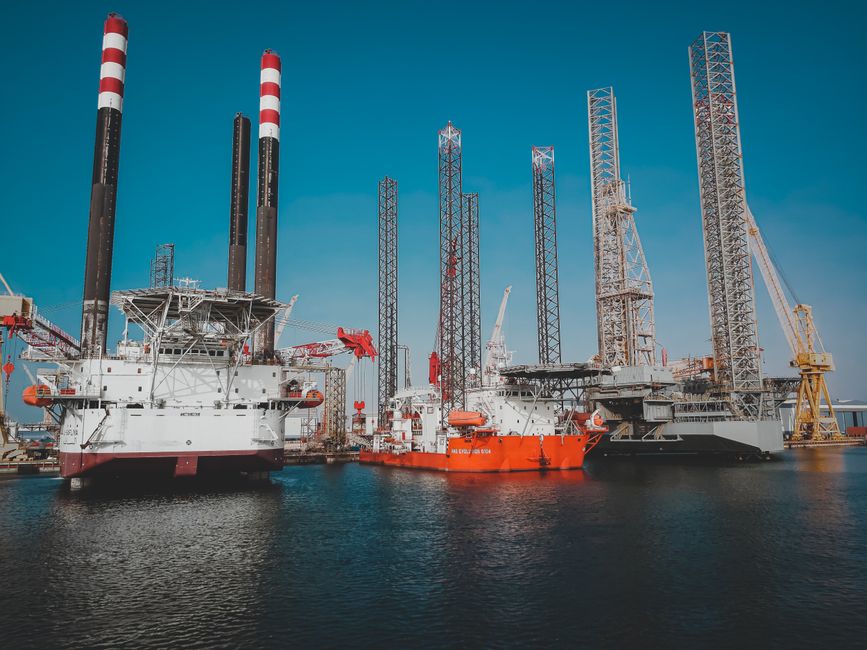
The reopening of the Strait of Hormuz may stabilize global energy markets, easing inflationary pressures and boosting economic confidence.
A Welcome Reprieve for the Federal Reserve
For months, the Federal Reserve has been under intense pressure to raise interest rates to combat stubborn inflation. Energy costs, driven higher by geopolitical risk, were a key component of the rising price level. The crisis in the Middle East, centered on the Strait of Hormuz, made the inflation outlook even murkier.
Now, with the US-Iran deal easing those tensions, the Fed can breathe a little easier. As recent reporting indicates, the agreement allows the Federal Reserve to prioritize economic stability over crisis-driven rate hikes. This is a significant shift in policy calculus. Instead of being forced into tightening by external shocks, the Fed can now assess the economy on its own terms.
Markets have already begun to price in a less aggressive tightening path. The odds of a rate hike at the upcoming meeting have diminished, and some analysts are even discussing a possible cut later in the year if the economic outlook softens. While no policy decisions have been made, the reduction in immediate inflation pressure gives the Fed room to wait and see.
Global Energy Markets Stabilize
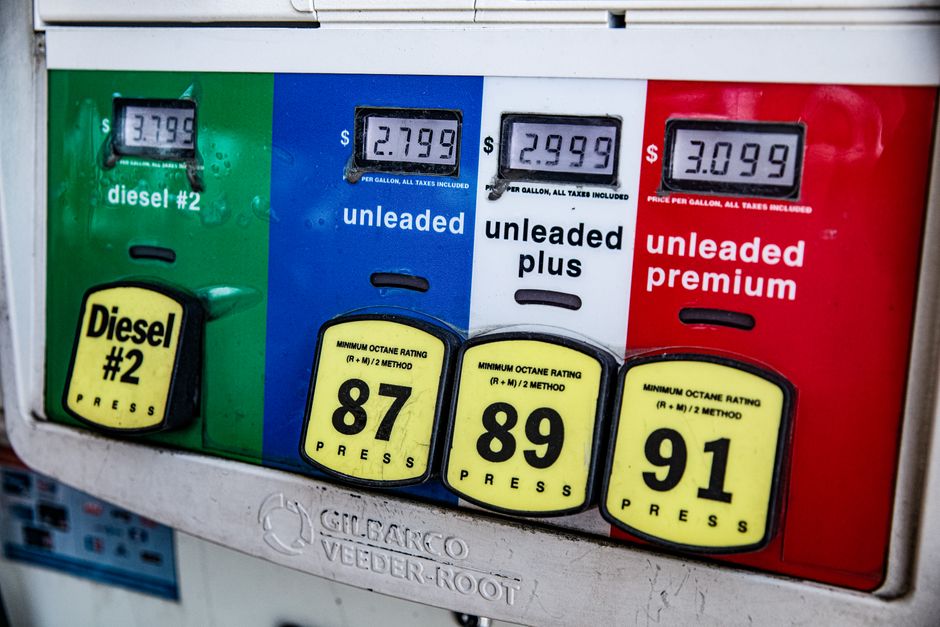
The reopening of the Strait of Hormuz has a direct impact on energy prices. Gasoline at the pump is expected to become cheaper, providing tangible relief to households and businesses. Lower energy costs cascade through the economy, reducing input prices for nearly all goods and services.
This process directly reduces headline inflation and, over time, influences core inflation as well. Consumer expectations, which had been rising, may stabilize as well. The US-Iran deal has thus acted as a shock absorber for the global economy.
Investor confidence is also on the rise. A de-escalation framework in one of the world's most volatile regions removes a major source of uncertainty. Businesses that had been cautious about investing in an unstable energy environment may now feel more secure. This could boost capital spending and hiring, further supporting economic growth.
The Trump Factor: G7 Summit and Diplomatic Momentum
President Trump’s arrival in Europe for the G7 summit comes at a opportune moment. The US-Iran deal provides a diplomatic achievement that the administration can showcase. It also shifts the agenda toward broader economic security and cooperation.
At the G7, leaders are likely to discuss the long-term implications of the deal, including the status of Iran's nuclear program. While the immediate energy relief is welcome, the alliance will push for a more comprehensive denuclearization agreement. The Trump administration’s ability to deliver both short-term market stability and long-term nuclear security will be a key topic of discussion.
The deal's de-escalation framework could stabilize energy markets and boost investor confidence, but nuclear talks remain a critical hurdle.
Unresolved Nuclear Issues: The Remaining Risk
Despite the positive developments, the underlying nuclear dispute with Iran is far from resolved. The current deal appears to be a temporary arrangement designed to reduce tensions, but it does not dismantle Iran's nuclear infrastructure. If negotiations stall or break down, the situation could deteriorate rapidly.
A failure in nuclear talks could lead to a reimposition of sanctions, a military escalation, or another closure of the Strait of Hormuz. Any of these scenarios would reverse the gains of the current deal and send oil prices soaring again. For the Federal Reserve, this means that while the immediate pressure is off, the medium-term outlook remains uncertain.
The dual nature of this agreement — stabilizing energy markets while leaving nuclear questions open — means that the Fed must remain vigilant. A surge in energy costs would force a rapid reassessment of rate policy.
Looking Ahead
The US-Iran deal and the reopening of the Strait of Hormuz represent a significant development for global markets and monetary policy. The Federal Reserve now has breathing room to consider its next moves without the urgency of an energy-driven crisis. Inflation expectations are easing, and consumer relief at the pump is on the horizon.
But the story is not over. The G7 summit will produce statements on Iran, and nuclear negotiations will continue in the background. Investors should watch for any signs of breakdown in the deal or progress toward denuclearization. The path ahead is less fraught than it was a month ago, but it remains a path through a minefield.
For now, the markets are celebrating. The Fed can focus on its dual mandate. And the world has a little less to worry about on the energy front.