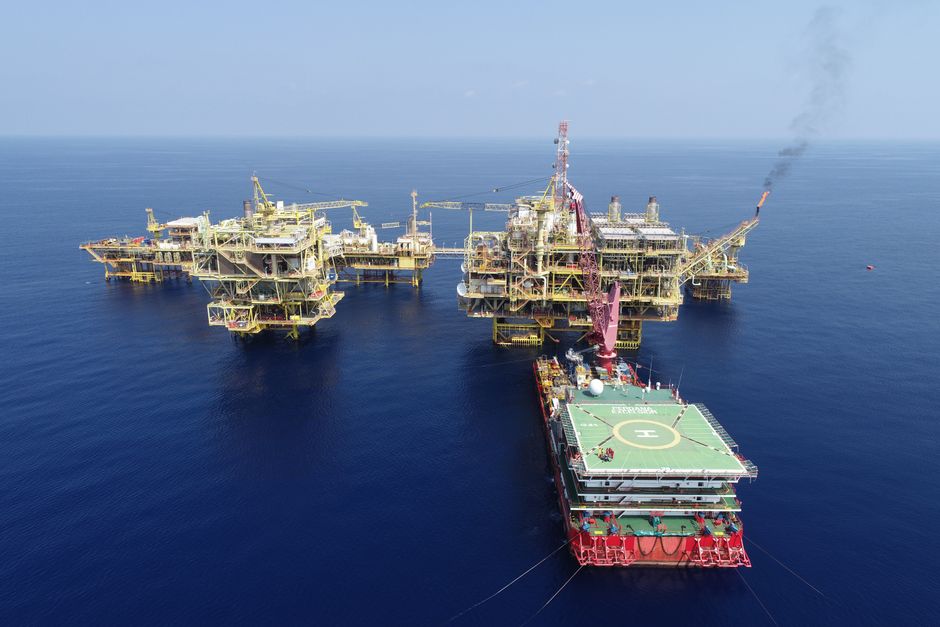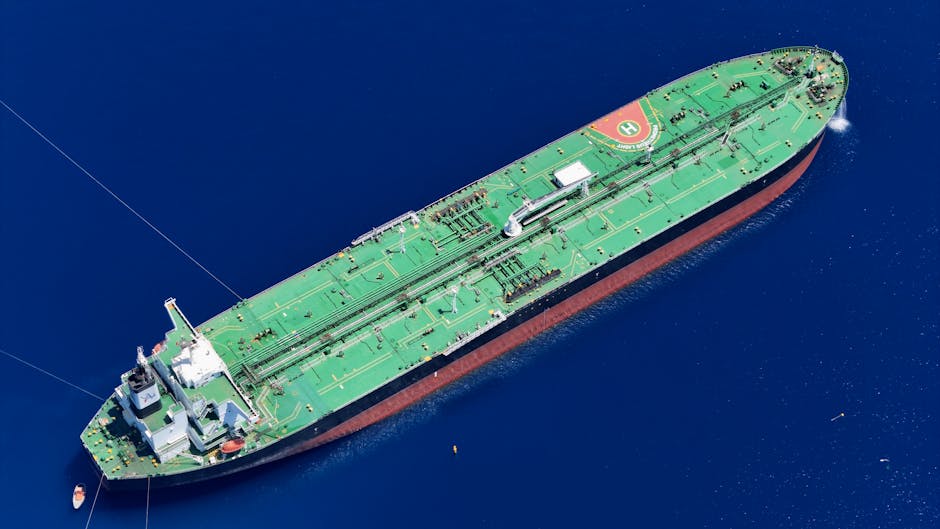
Oil markets jolted on May 22, 2026, as reports of a major diplomatic breakthrough between the United States and Iran emerged. Brent and WTI crude prices slid nearly 5% in a single session, triggering a flurry of analysis about the broader economic consequences.
What to know
- Brent and WTI crude oil prices dropped nearly 5% on May 22 following reports of a pending US-Iran deal.
- The agreement is expected to be signed in the coming days and implemented by the end of the year.
- France has refused to tap its strategic oil reserves without clear resolution of the Iran conflict, adding uncertainty.
- G7 debt markets are experiencing heightened volatility as conflict-driven inflation pushes oil above $100 per barrel.
- Central banks across developed economies face tougher policy decisions as inflation expectations become more volatile.
- Turkey's aggressive depletion of reserves to defend the lira underscores emerging-market vulnerabilities during geopolitical crises.
- A full report on the deal's implications is scheduled for publication on June 26, 2026 at 10am ET.
A Diplomatic Breakthrough Sends Shockwaves Through Oil Markets
The prospect of a comprehensive agreement between Washington and Tehran has upended expectations in energy markets. Both Brent crude, the international benchmark, and WTI, the US standard, suffered steep declines on the news—a move that traders described as a repricing of geopolitical risk that had been embedded in crude prices for months.
The nearly 5% drop in a single day reflects the market's anticipation that renewed Iranian oil exports could add significant supply to an already finely balanced global market.
While the exact terms of the deal remain under wraps, the agreement is widely expected to involve sanctions relief in exchange for curbs on Iran's nuclear program. If implemented, it could restore millions of barrels per day of Iranian crude to international markets, directly addressing supply constraints that have kept prices elevated.
Yet the drop is not purely a supply-side story. The deal also signals a potential détente in a region that has been a flashpoint for conflict, removing a key source of volatility that has weighed on risk assets broadly—from equities to cryptocurrencies.
France’s Cautious Play and the G7 Dilemma
While the US-Iran deal has been greeted positively by oil importers, France has struck a more cautious tone. Paris has explicitly refused to tap its strategic petroleum reserves until there is greater clarity on the outcome of the negotiations. This hesitation is noteworthy: France’s reserves are a critical buffer for the European energy market, and withholding them amplifies supply uncertainty at a delicate moment.
G7 finance ministers and central bankers are now wrestling with a dual challenge. On one hand, the conflict-driven surge in oil prices—crude has at times breached $100—has stoked inflation that undermines the bloc's economic stability. On the other, premature policy tightening could snuff out growth. The deal offers a path to lower energy costs, but the timing of implementation remains uncertain.
France's reluctance to deploy reserves highlights the deeper coordination problems within the G7 when it comes to managing energy price shocks.
Debt markets in the G7 are showing signs of stress, with yields becoming more volatile as investors price in the competing forces of easing supply fears and persistent inflation. This volatility complicates the funding strategies of heavily indebted governments and raises the stakes for central bank communication.
Central Banks Caught in the Crossfire
The US-Iran deal introduces a new variable for central banks that have been battling inflation for years. A sustained drop in oil prices would directly reduce headline inflation, taking pressure off the Federal Reserve, the European Central Bank, and the Bank of England.
However, the path is not straightforward. If the deal collapses—as some skeptics warn—oil could spike anew, forcing central banks to maintain or even accelerate tightening. The Bank for International Settlements has previously warned that such whipsaws in energy prices create dangerous uncertainty for monetary policy.
The US Federal Reserve, in particular, is watching closely. Lower inflation prints could give it room to ease policy earlier than expected, which would support risk assets. Conversely, any sign that the deal is stalling could rekindle the aggressive rate narrative that rattled markets in 2025.
The Crypto Connection and Risk Assets
Digital assets have also felt the tremors. Crypto Briefing reported that the conflict-induced volatility and inflation have been destabilizing crypto markets, which often trade as a risk-on proxy. A sustained de-escalation in the Middle East could be bullish for Bitcoin and major altcoins, as it would reduce the uncertainty that drives safe-haven flows into the dollar.
Yet the relationship is nuanced. Lower oil prices mean lower energy costs for Proof-of-Work miners, improving margins in a sector that has faced scrutiny over operational costs. Additionally, central banks that ease policy in response to softer inflation could inject more liquidity into the system, a historically positive driver for crypto valuations.
On the other hand, a deal that stabilizes oil markets might also strengthen fiat currencies and reduce the appetite for non-sovereign stores of value. The net impact will depend on how the broader macroeconomic regime evolves.
Beyond Oil: Turkey’s Warning Sign
The timeline of events leading up to the deal includes a notable episode: Turkey's aggressive liquidation of US Treasury holdings to defend the lira. This maneuver highlights the fragilities in emerging markets when global risk appetite shifts. If the US-Iran deal ultimately leads to a stronger dollar and tighter financial conditions, other vulnerable economies may be forced into similar reserve-draining strategies.
Turkey’s reserve depletion is a cautionary tale for any nation with high external debt and a weakening currency in a period of geopolitical uncertainty.
For investors, this means that while the oil story is the headline, the second-order effects on EM assets, credit spreads, and currency volatility deserve close attention.
Looking Ahead
The next few days will be critical. The deal is expected to be signed imminently, and markets will parse every detail for its implications on the timing and scale of Iranian oil return. Implementation by year-end remains the base case, but any delay or breakdown could reverse the recent price moves.
For central banks, the deal offers both an opportunity and a risk. Opportunity to ease inflation pressures without crushing demand; risk that a false dawn forces them to backtrack. For risk assets—both traditional and digital—the direction depends on whether this is the beginning of a broader de-escalation or just a temporary reprieve.
One thing is certain: the global economic landscape has shifted. The US-Iran deal, if realized, will be remembered as a pivot point in the post-2025 macro cycle. All eyes are now on the signing ceremony—and on the reaction that follows.