In a diplomatic breakthrough with far-reaching economic consequences, the United States and Iran have reportedly reached a draft agreement on a ceasefire and sanctions relief, with Pakistan acting as mediator. The deal could reshape global energy markets and accelerate the integration of cryptocurrencies into international trade.
What to know
- The draft agreement between the US and Iran was mediated by Pakistan, marking a significant diplomatic shift in the region.
- The deal covers a ceasefire and sanctions relief, potentially ending years of tension and opening new economic channels.
- Lower oil prices are expected as a direct consequence, which could boost consumer spending and reduce manufacturing costs worldwide.
- Inflationary pressures may ease, influencing central bank policy decisions across major economies.
- The agreement explicitly highlights the growing role of cryptocurrencies in global trade, potentially reducing reliance on traditional currency systems.
- Crypto markets reacted positively to the news, reflecting increased optimism about mainstream adoption.
- Uncertainties remain regarding implementation timelines and long-term stability of the accord.
The Diplomatic Breakthrough
For months, whispers of backchannel negotiations had circulated in diplomatic circles. Now, a concrete draft agreement has emerged, mediated by Pakistan — a nation often at the crossroads of geopolitical fault lines. The talks resulted in a proposed ceasefire and sanctions relief, two elements that have been sticking points in US-Iran relations for decades.
"The Pakistan-mediated draft is a rare point of convergence between Washington and Tehran, suggesting both sides see tangible benefits."
The involvement of Pakistan as a neutral broker adds a new layer to regional dynamics. Islamabad has long maintained ties with both the West and the Islamic Republic, positioning itself as a credible intermediary. This deal could enhance Pakistan's diplomatic standing while providing a template for future conflict resolution.
Oil Markets in Flux
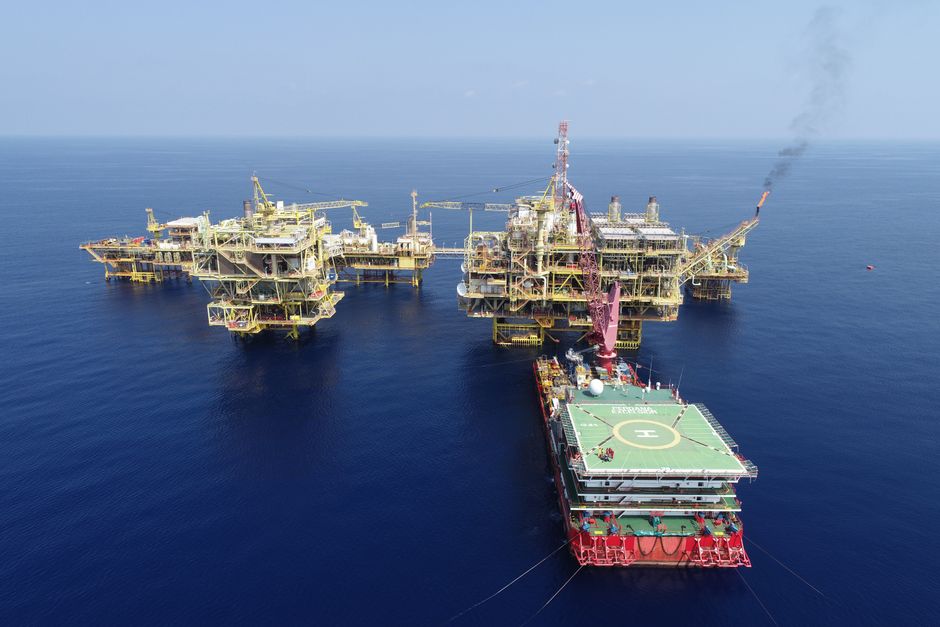
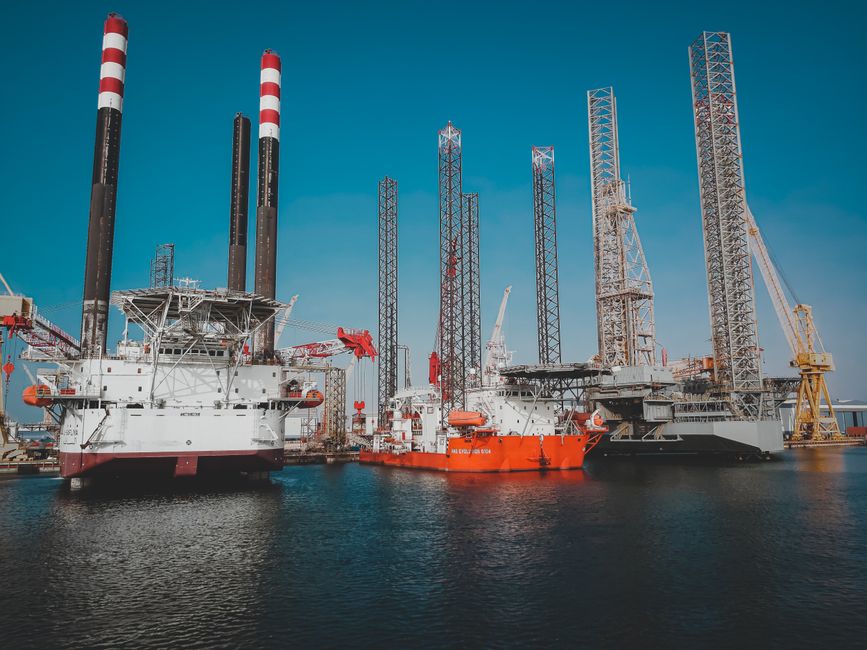
The immediate market reaction was stark. Reports of the agreement sent oil prices tumbling, with some benchmarks turning negative briefly. Lower oil prices are now widely expected if the ceasefire holds and sanctions are lifted, allowing Iranian crude to re-enter global markets.
Lower energy costs have a cascading effect. Consumers spend less at the pump, freeing up disposable income for other goods. Manufacturers see reduced input costs, which can ease price pressures across supply chains. The combination could provide a much-needed buffer against persistent inflation that has plagued central banks worldwide.
"If oil stays lower, it buys time for policymakers fighting inflation without crushing growth."
Crypto's Emerging Role
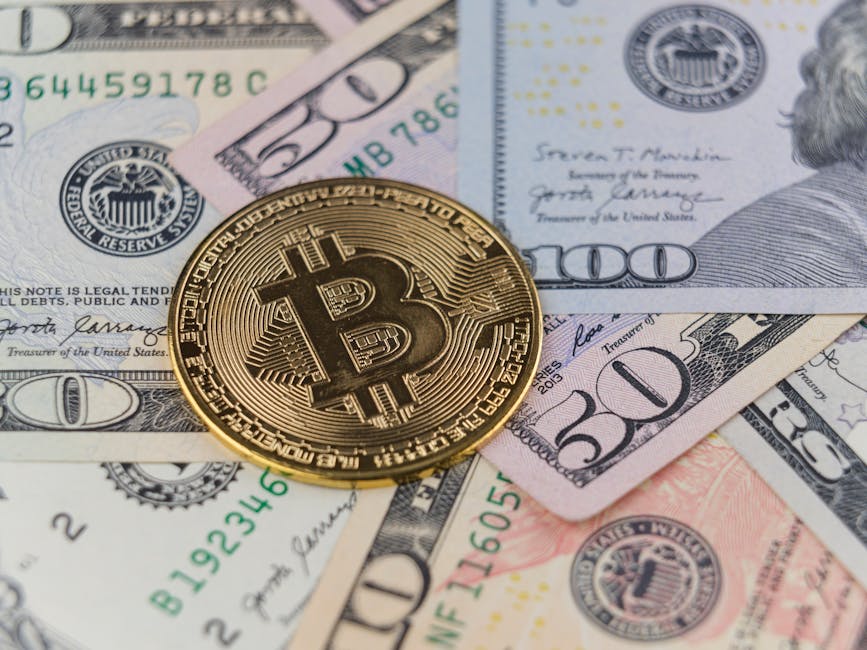
Perhaps the most surprising element of the draft agreement is its explicit reference to crypto. The document reportedly highlights the growing role of cryptocurrencies in global trade, suggesting that both parties recognize the potential of digital assets to bypass traditional financial restrictions.
This is a watershed moment. For years, crypto advocates have argued that the technology could facilitate cross-border transactions independent of geopolitical tensions. The inclusion of crypto in a high-stakes diplomatic accord signals that governments are taking digital currencies seriously as tools for economic statecraft.
The implications are profound. If Iran and the US can agree on a framework that incorporates crypto, it sets a precedent for other nations. It may accelerate the development of clear regulatory frameworks and boost confidence among institutional investors.
"The draft doesn't just mention crypto as a footnote — it positions it as a key component of a post-sanctions economic reset."
Economic Ripple Effects
Beyond oil and crypto, the agreement could reshape broader economic power dynamics. A reduction in geopolitical risk typically lifts investor sentiment, driving capital into risk-on assets. Combined with lower energy costs and easing inflation, the conditions are ripe for a prolonged period of economic expansion.
However, the benefits are not automatic. The agreement must be implemented, and the details of sanctions relief will determine how quickly Iranian oil returns to market. Moreover, the US political landscape remains uncertain, with domestic opposition to any engagement with Tehran.
Consumer spending could be the biggest winner in the short term. With less money spent on energy, households have more to spend on goods and services, feeding a virtuous cycle of growth. Manufacturing costs also drop, helping companies maintain margins without raising prices.
Risks and Uncertainties
No diplomatic breakthrough is without risk. The draft agreement is just that — a draft. Implementation deadlines, verification mechanisms, and potential spoilers remain unknown. Both Iran and the US have hardliners who could derail the process.
Moreover, the reaction from other regional players, such as Israel and Saudi Arabia, is unclear. Any destabilizing response could reverse the positive market sentiment.
For crypto, the inclusion in the text is a double-edged sword. While it signals legitimacy, it also invites regulatory scrutiny. Governments may now see digital currencies as too important to ignore, leading to stricter oversight that could dampen the decentralized ethos.
"Diplomatic wins are fragile. The market's optimism may be premature if political hurdles re-emerge."
Looking Ahead
The US-Iran agreement mediated by Pakistan represents a potential inflection point for global energy markets, inflation dynamics, and the adoption of cryptocurrencies. If implemented smoothly, it could lower oil prices, ease inflationary pressure, and solidify crypto's role in international trade.
Yet the path forward is lined with uncertainties. The coming weeks will reveal whether the draft can become a binding agreement, and whether the economic benefits materialize as projected. For now, markets are voting with their bets — but the real test lies in execution.
What is clear is that the geopolitical landscape is shifting. Pakistan has emerged as a diplomatic player, cryptocurrencies are being woven into statecraft, and the old certainties of energy markets are being challenged. The world is watching.