In a move that bypasses traditional diplomatic channels, the United States and Iran have signed an electronic Memorandum of Understanding, reopening the Strait of Hormuz and sending ripples through energy and crypto markets.
What to know
- The US and Iran signed an electronic MOU, eliminating the need for a Pakistan-brokered meeting in Switzerland.
- Iranian President Pezeshkian published the full text of the agreement on X.
- The interim peace deal opens the Strait of Hormuz, a critical chokepoint for global oil shipments.
- Oil prices dropped following the announcement; Bitcoin rose.
- The MOU aims to ease geopolitical tensions and stabilize oil markets.
- Crypto adoption could see a boost as the deal highlights shifting economic dynamics.
- Critical issues remain unresolved, risking future instability if talks falter.
A Digital Diplomatic Breakthrough
The agreement between US and Iran was not signed in a palace or a neutral capital. It was electronic — a digital document exchanged and confirmed online. This method bypasses the traditional diplomatic machinery that has long defined US-Iran negotiations.
Iranian President Pezeshkian took the unusual step of publishing the full text of the MOU on X, making the terms immediately public. This transparency contrasts with decades of secretive backchannel talks.
The electronic MOU also obviated the need for a meeting brokered by Pakistan in Switzerland — a plan that was previously in the works. Now, that meeting is canceled.
Strait of Hormuz: The World's Oil Valve
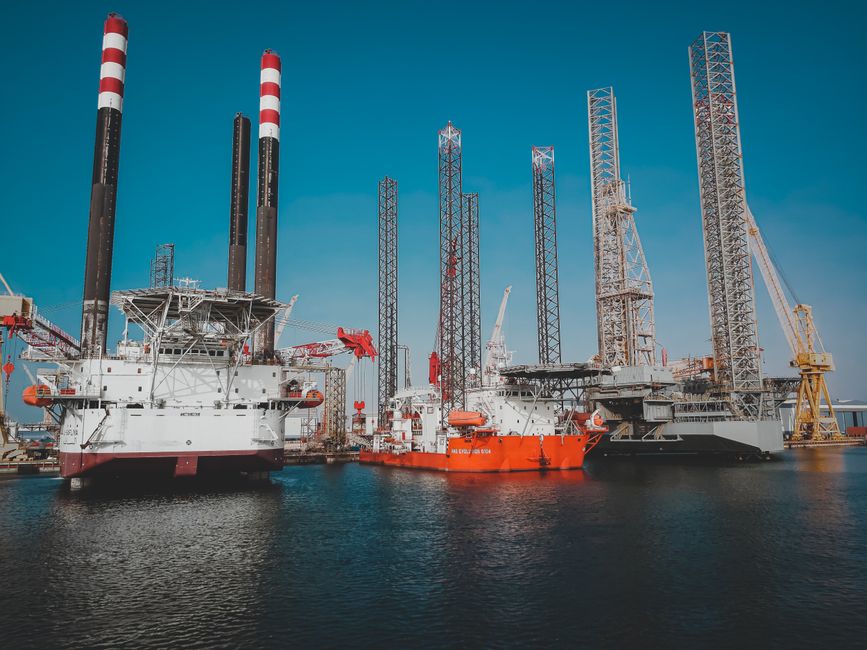
The Strait of Hormuz is one of the most strategically important waterways on the planet. Roughly 20% of the world's oil passes through its narrow channel. Any disruption here sends shockwaves through global energy markets.
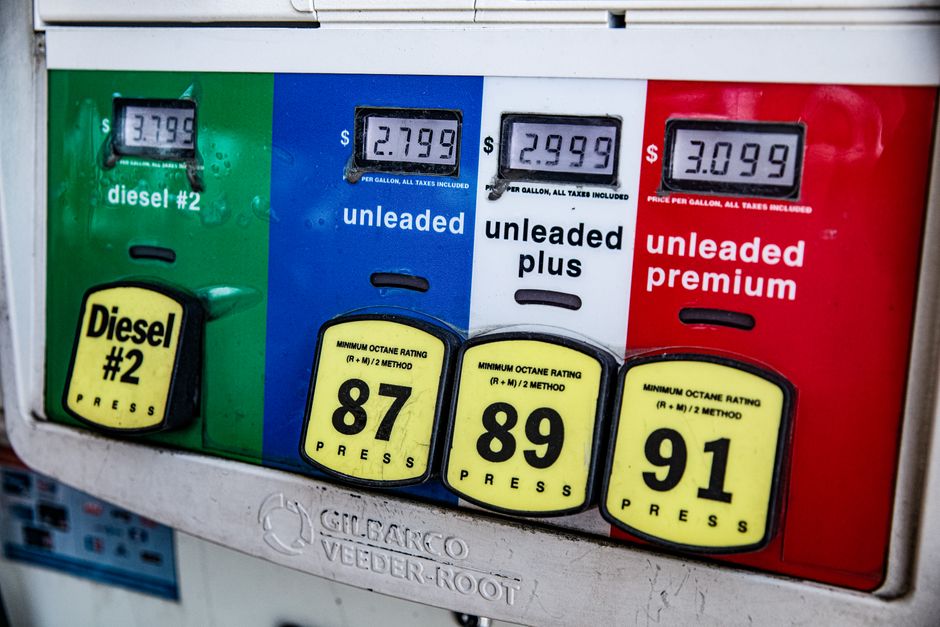
The US-Iran peace deal explicitly opens the Strait of Hormuz for safe passage. The immediate effect was a drop in oil prices, as supply risk was removed from the market. For energy‑dependent economies, this is a significant relief.
But the reopening also carries geopolitical weight. Iran, long isolated by sanctions and tension, now has a tangible pathway to re‑engage with global energy trade. The US gains a stabilizing foothold in the region without military commitment.
Bitcoin's Unexpected Beneficiary
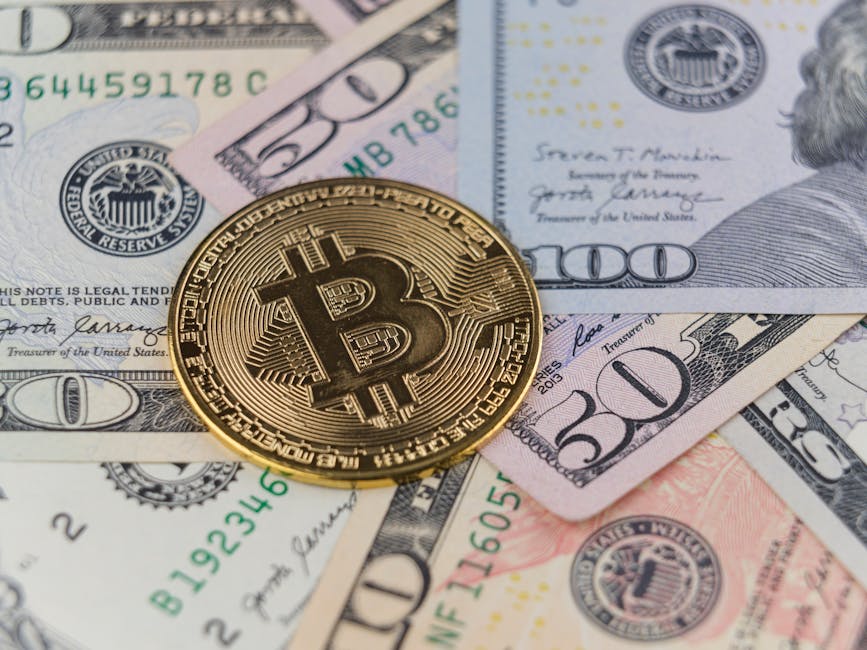
Why did Bitcoin rise on a peace deal? The correlation may seem odd, but it reflects deeper economic dynamics.
With oil markets stabilizing, inflationary pressures tied to energy costs may ease. However, the MOU also signals a shift in the global order — one where digital agreements and alternative financial systems gain legitimacy.
Crypto adoption has long been tied to geopolitical uncertainty and the search for assets outside central bank control. A peace deal that reduces immediate conflict risk paradoxically boosts confidence in crypto as a long‑term hedge. The narrative of crypto as a tool for diplomatic transparency — as seen with the MOU being published on X — reinforces its relevance.
The Unfinished Agenda
The MOU is interim. Critical details remain unresolved. Experts warn that if follow‑up talks falter, both oil and crypto markets could face renewed volatility.
Domestic political pressures in both US and Iran may complicate implementation. The electronic nature of the agreement, while innovative, also raises questions about enforcement and verification.
For now, markets have reacted positively. But the groundwork for lasting stability is still being laid.
Who Gains, Who Loses
Pakistan loses a potential mediating role. The planned meeting in Switzerland is no longer necessary. Switzerland loses a diplomatic event.
Energy importers stand to gain from lower oil prices. Iran gains economic breathing room. The US gains a strategic win without boots on the ground.
Crypto investors gain a narrative boost. But caution is warranted — the interim status means nothing is final.
Looking Ahead
The electronic MOU is a test case for digital diplomacy. If it holds, it could reshape how nations negotiate — and how markets react.
Watch for: further implementation steps, oil price stability, crypto adoption metrics, and any signs of domestic opposition in Iran or the US. The Strait of Hormuz is open for now, but the window of opportunity may not stay wide forever.