In a series of coordinated moves, Washington has revoked Iran’s oil waiver, conducted military strikes, and publicly admonished NATO allies — raising the specter of a broader conflict and a fracturing of the Western alliance.
What to know
- The US revoked Iran’s oil waiver in response to tanker attacks in the Strait of Hormuz.
- American strikes on Iran’s southern coast terminated a bilateral memorandum of understanding (MOU).
- President Trump criticized NATO allies for what he called insufficient support in the Iran theater.
- The revocation and strikes have heightened regional tensions and increased risks of military escalation.
- Global oil markets face potential disruption as the US considers a naval blockade in the Strait.
- Diplomatic efforts appear fragile, with market skepticism and alliance strains complicating peace talks.
The Trigger: Tanker Attacks and Waiver Revocation
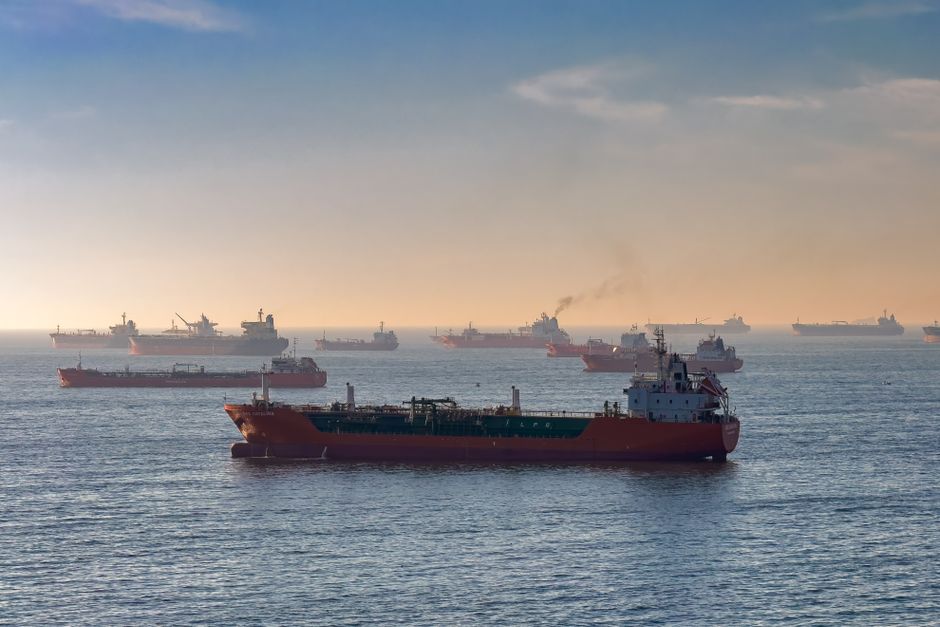
The sequence of events was set in motion by attacks on tankers in the strategically vital Strait of Hormuz — a narrow waterway through which a significant portion of the world’s seaborne oil passes. In direct response, the United States revoked Iran’s long-standing oil waiver, a move that immediately ratcheted up economic pressure on Tehran.
"The revocation heightens regional tensions, increasing risks of military escalation and potential economic disruptions in global oil markets."
This decision was not taken in isolation. It represents a deliberate shift from economic containment toward military coercion. The Strait of Hormuz, already a flashpoint for naval incidents, now stands at the center of a brewing confrontation that could disrupt energy flows across the globe.
Military Action: Strikes on Iran’s Southern Coast
Days after the waiver revocation, American forces conducted strikes on Iran’s southern coast. The operation effectively ended a bilateral memorandum of understanding (MOU) that had served as a fragile but functioning diplomatic framework between the two nations.
"The termination of the MOU heightens geopolitical instability, potentially disrupting global trade and increasing military conflict risks."
The strikes mark a clear departure from diplomacy. With the MOU gone, the last remaining guardrail for direct communication has been removed. Both sides are now maneuvering without a playbook, raising the probability of miscalculation and unintended escalation.
Trump’s Critique of NATO: A Fracturing Alliance
President Trump has taken the unusual step of publicly criticizing NATO allies for what he perceives as a lack of support in the Iran conflict. This sharp rebuke threatens to widen existing fault lines within the alliance, which has already been strained by disputes over burden-sharing and strategic priorities.
"Trump's criticism may deepen NATO rifts, complicating peace talks and potentially leading to increased U.S. unilateral military actions."
By calling out allies on a global stage, Trump signals that Washington may be willing to act alone if NATO partners do not align with its Iran strategy. This not only complicates ongoing peace negotiations but also increases the likelihood of unilateral US military operations — a scenario with profound implications for regional stability and the transatlantic security architecture.
The Economic Shockwaves: Oil Markets and Global Trade
The revocation of the oil waiver directly impacts global energy markets. With Iran’s crude exports now subject to renewed restrictions, supply concerns are mounting. The US is reportedly considering a naval blockade in the Strait of Hormuz to enforce these measures.
"A US naval blockade on Iran could severely disrupt global energy trade, heightening geopolitical tensions and impacting market stability."
Such a blockade would have cascading effects: higher oil prices, increased shipping insurance costs, and potential supply chain bottlenecks for nations reliant on Middle Eastern crude. Market skepticism is already evident, with traders pricing in a higher risk premium. The economic disruption could extend beyond energy, affecting trade routes and global commerce — a stark reminder of how quickly geopolitical risk translates into economic pain.
Diplomatic Dead End
The termination of the MOU and the subsequent military actions have dealt a severe blow to diplomatic efforts. What little progress existed in talks appears to have vaporized. Iran has condemned the US for violating the interim nuclear deal, and doubts about any final agreement are mounting.
"The escalating tensions and market skepticism highlight the fragility of diplomatic efforts, risking further destabilization in the region."
Without a credible diplomatic track, the region descends into a cycle of action and reaction. Each side’s red lines are being tested, and the space for negotiation shrinks with every new escalation. The fragility of diplomacy is no longer abstract — it is now the defining feature of the US-Iran relationship.
The Unilateral Turn
Trump’s actions — from the waiver revocation to the military strikes and the public pressure on NATO — point toward a foreign policy that increasingly foregoes multilateral cooperation in favor of unilateral military leverage. The data suggests that this approach is likely to accelerate.
"The termination of the MOU heightens geopolitical instability... potentially leading to increased U.S. unilateral military actions."
This unilateral turn not only isolates the US but also weakens the institutional frameworks that have historically managed great-power conflict. Allies are left scrambling to adapt, while adversaries may feel emboldened to test American resolve in other theaters.
Looking Ahead
The coming weeks will be critical. The US appears poised to continue its hardline approach, with the threat of additional unilateral actions. NATO allies face a choice: align with Washington’s Iran strategy or risk further estrangement. Iran, for its part, may respond through asymmetric means — potentially targeting additional shipping in the Strait or accelerating aspects of its nuclear program.
Risk mitigation will require a de-escalation pathway, but none is currently visible. The markets will watch for any signs of diplomatic reopening. For now, the world is left with a volatile mix of military posturing, alliance strain, and economic uncertainty — a combination that history has taught rarely ends quietly.
The fragile balance in the Middle East has been upended. Whether the actors involved can find their way back to a table of negotiation or will continue down a path of escalation remains the defining question of this moment.