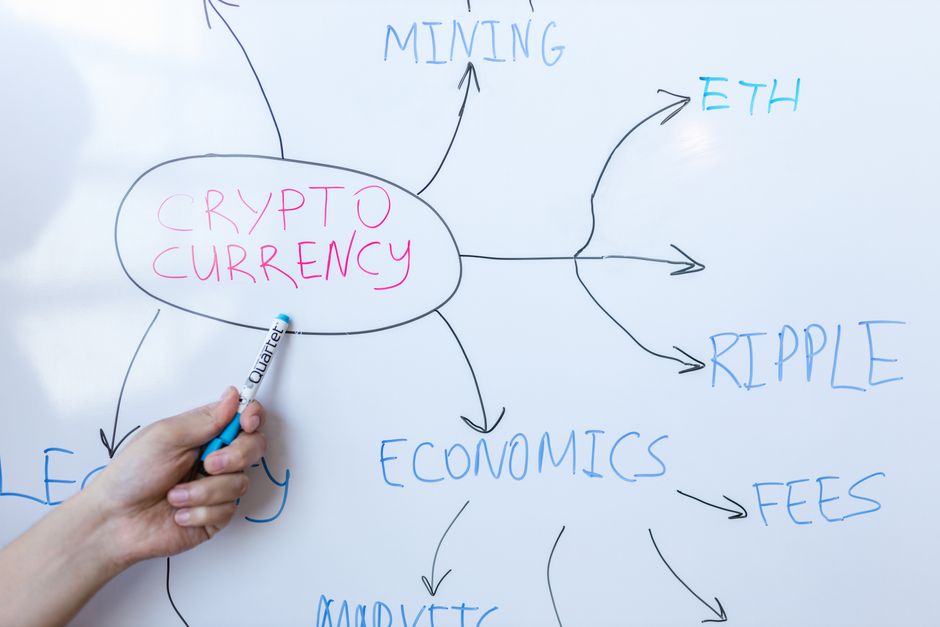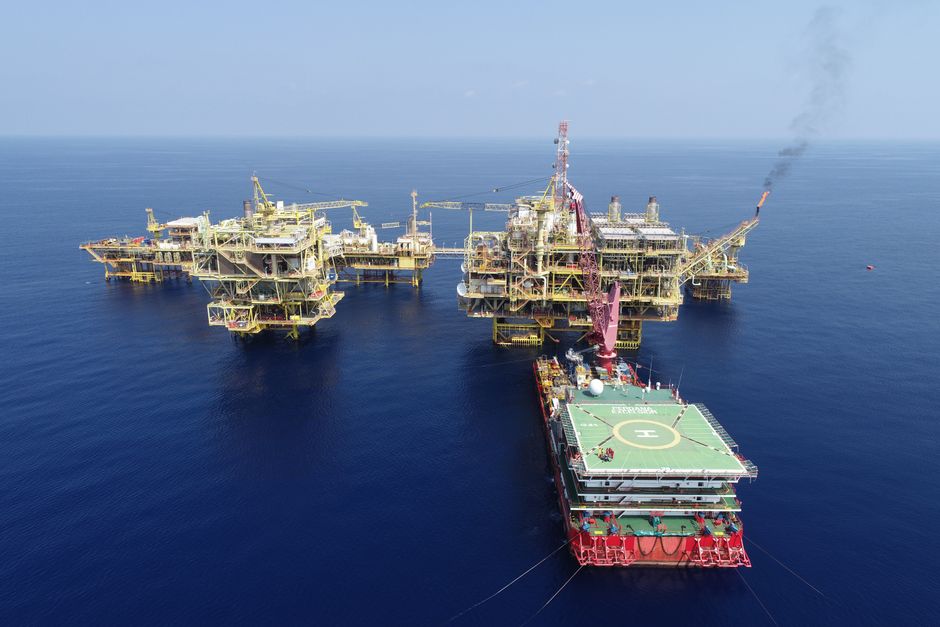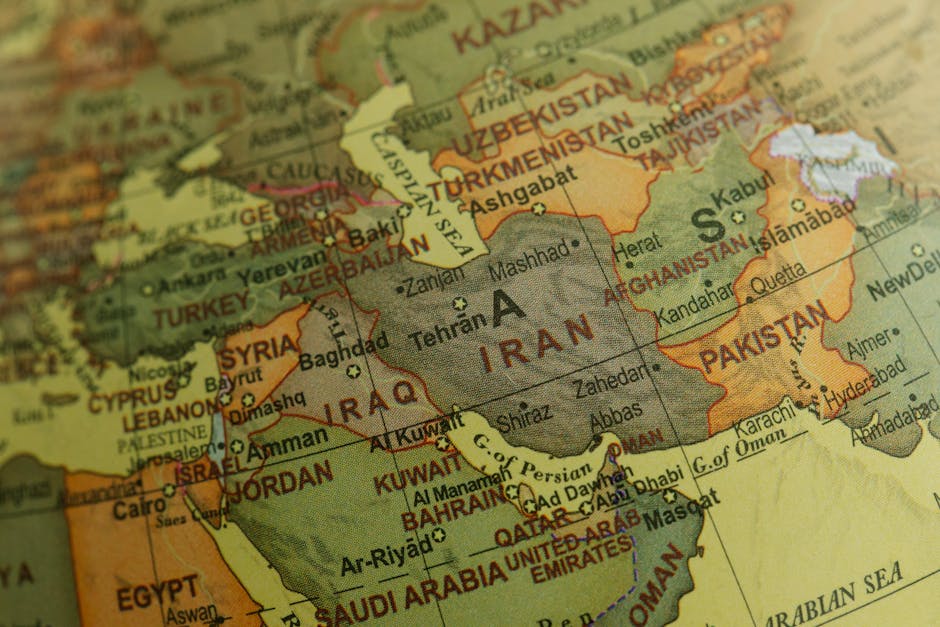
As the US and Iran exchange strikes and crypto markets pulse around the clock, the old rules of portfolio defense are being rewritten in real time.
What to know
- The US military struck Iranian sites on June 1, 2026, and Iran retaliated with missiles into Kuwait.
- Crypto markets reacted in real time, positioning digital assets as a 24/7 hedge against geopolitical shocks.
- President Trump announced that Israel will not deploy troops to Beirut, signaling a potential de-escalation.
- Oil futures trimmed gains as the fear premium eased, yet risk assets like crypto saw a boost.
- Geopolitical volatility underscores the risks of leveraged positions and the potential for rapid rebounds in crypto.
- The situation remains fluid, with Iran warning residents in northern Israel to evacuate.
The Escalation
On June 1, 2026, the US conducted military strikes against Iranian targets. Within hours, Iran retaliated by launching missiles into Kuwait, sending shockwaves through global markets. The attack marked a sharp escalation in a region already on edge, with Middle East tensions flaring into open confrontation.
Traditional financial markets, closed for the weekend, could not immediately price in the news. But crypto markets — operating 24/7 — responded instantly. This was not a drill. For the first time at this scale, digital assets were tested as a real-time refuge for capital seeking safety outside the confines of traditional trading hours.
Crypto markets moved within minutes of the reports, absorbing volatility without circuit breakers or trading halts.
Crypto’s Round-the-Clock Response
The speed of the crypto market reaction caught the attention of institutional and retail investors alike. As news of the strikes and counter-strikes crossed the wire, crypto prices fluctuated sharply but remained liquid. The incident has been framed by analysts as a live case study for the emerging narrative: that digital assets can serve as a 24/7 hedge against geopolitical risk.
Crypto Briefing, the outlet that first reported the market reaction, noted that the escalation highlighted crypto's potential to reshape investor strategies globally. The idea is gaining traction: when conventional markets close, crypto keeps trading, offering a continuous price discovery mechanism even as missiles fly.
"Escalating US-Iran tensions highlight crypto's emerging role as a 24/7 market refuge," the report stated.
But the same round-the-clock nature also amplifies risks. Leveraged positions — common in crypto — faced rapid liquidations as prices swung. The warning is clear: in a 24/7 market, volatility cuts both ways with no time-out.
Oil, Equities, and the De-escalation Signal
While crypto was the headline for digital asset watchers, the broader macro picture included a dramatic shift in oil markets. Initially, oil futures spiked on fears of supply disruption in the Middle East. But the mood turned when President Trump issued a statement that Israel would not deploy troops to Beirut.
That de-escalatory signal caused oil futures to trim their gains almost as quickly as they had risen. At the same time, risk assets — including crypto and equities — found a bid. The market interpreted the troop restriction as a sign that the conflict might not spiral into a broader regional war, at least not imminently.
Trump's announcement rebalanced market sentiment overnight, proving that geopolitical headlines remain the dominant driver of short-term price action.
What This Means for Investors
The events of June 1 underscore a fundamental shift in how investors may need to think about portfolio defense. Traditional safe havens like gold and Treasuries were inaccessible during the weekend. Crypto, however, never went offline. For global investors who need to hedge exposures in real time, the appeal is obvious.
Yet the same attributes that make crypto a candidate for a 24/7 refuge also make it a double-edged sword. The leverage that often accompanies crypto trading can lead to sharp losses when volatility arrives suddenly. The Iran warning to northern Israel residents to evacuate — reported by Crypto Briefing in the context of market impact — shows that geopolitical risks are multi-faceted and can quickly change the narrative.
Investors must weigh the liquidity and accessibility of crypto against its inherent volatility and leverage risks.
Looking Ahead
The US-Iran standoff is far from resolved. While Trump’s troop restriction has offered a pause, the underlying tensions remain. The missile exchange into Kuwait raises questions about how far Iran is willing to go, and how the US—led coalition will respond. Meanwhile, crypto markets will continue to trade through every twist and turn.
If the past 24 hours are any guide, the asset class has passed a critical real-world test. But the long-term implications depend on whether this event becomes a catalyst for broader adoption — or a cautionary tale about the dangers of 24/7 leverage in a crisis. For now, the world is watching, and the markets never sleep.