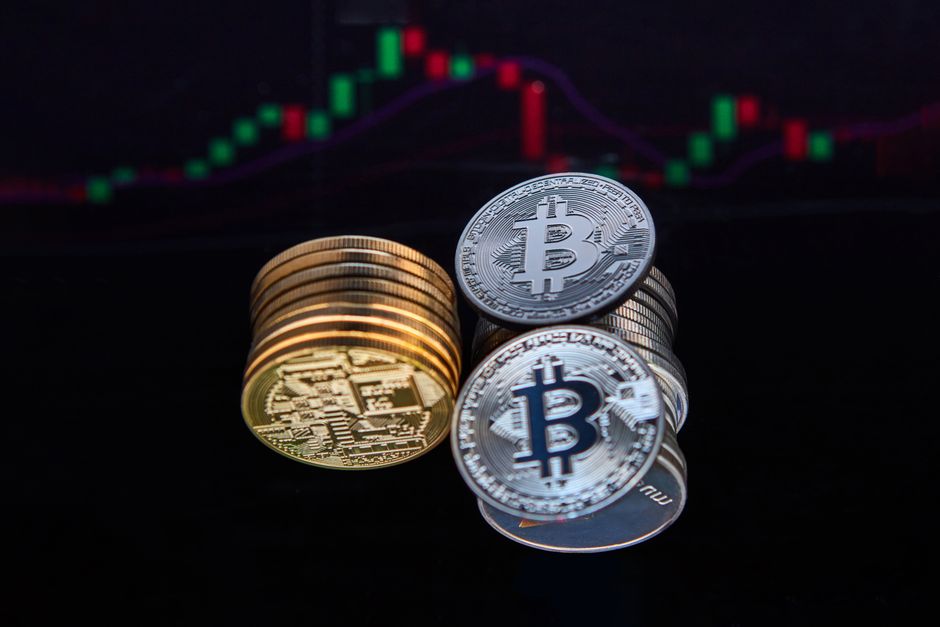
The US-Iran confrontation has entered a dangerous new chapter, and crypto markets are feeling the shockwaves. As US Central Command completes strikes on over 80 sites in Iran, Bitcoin's reputation as a safe haven is being tested against the brute force of geopolitical risk.
What to know
- US Central Command completed strikes on over 80 sites in Iran, marking one of the largest military operations in the region in years.
- The strikes follow the US revocation of Iran's oil sale authorization after tanker attacks in the Strait of Hormuz.
- Crude prices surged immediately after the announcement, with fears of supply disruptions mounting.
- The ongoing conflict could destabilize crypto markets, highlighting Bitcoin's vulnerability as a risk asset during geopolitical crises.
- Iran's President Pezeshkian returned home as US strikes reshape Middle East risk calculus.
- The escalation may increase compliance costs for crypto exchanges as sanctions enforcement tightens.
- Broader sanctions relief remains contingent on further diplomatic progress, which now appears unlikely.
- Market watchers are closely monitoring potential impacts on global oil supply, inflation, and financial stability.
The Escalation: From Sanctions to Strikes
The path to this moment began with a series of tanker attacks in the Strait of Hormuz, prompting the US to revoke Iran's authorization to sell oil. That decision alone sent crude prices spiking, but the situation has since escalated far beyond sanctions.
US Central Command has completed strikes on over 80 sites in Iran, a massive military response that signals a pivot from economic pressure to direct action.
The strikes were not limited to military targets; they also hit infrastructure tied to Iran's ability to disrupt global oil flows. The US government has framed the operation as a necessary response to continued provocations, but the broader Middle East region is braced for further instability.
Iran's President Pezeshkian has returned home amid the chaos, facing a domestic audience that is both defiant and anxious. The diplomatic track, which had shown faint signs of life earlier this year, is now all but frozen.
Bitcoin's Vulnerability Exposed
For years, proponents have pitched Bitcoin as a digital gold—an asset that should thrive amid global uncertainty. This narrative is being severely tested by the current crisis.
Instead of soaring as a safe haven, Bitcoin has been moving in lockstep with traditional risk assets, falling sharply as the strikes began. The pattern mirrors previous geopolitical flashpoints, including the initial weeks of the Russia-Ukraine war, where Bitcoin dropped alongside equities.
The ongoing US-Iran conflict could destabilize crypto markets, highlighting Bitcoin's vulnerability as a risk asset during geopolitical crises.
The data is clear: when the world’s great powers trade missiles, investors flee to dollars, Treasuries, and gold—not to digital tokens. This reality is a bitter pill for the crypto community, which has long argued that decentralized assets would outperform during times of fiat-driven turmoil.
Oil Prices and Inflation: The Macro Ripple Effects
The strikes have already sent crude prices surging. With the revocation of Iran's oil sale authorization, supply from one of the region's major producers is effectively cut off. Analysts warn that sustained price spikes could reignite global inflation, undoing years of central bank tightening.
Higher inflation typically forces central banks to keep interest rates elevated, which is a headwind for risk assets like Bitcoin. The correlation matrix is brutal: geopolitical shocks → higher oil → higher inflation → tighter policy → lower crypto valuations.
For crypto exchanges, the compliance burden is also rising. The US revocation of oil licenses and subsequent military action may lead to stricter sanctions enforcement, increasing operational costs for platforms that handle any Iran-linked transactions—even inadvertently.
Crypto Exchanges and Compliance in a High-Tension Environment
One overlooked consequence of this escalation is the increased scrutiny on crypto exchanges. As the US tightens its grip on Iran's economy, exchanges must ensure they are not inadvertently facilitating sanctioned transactions.
The revocation heightens geopolitical tensions, impacting global oil markets and potentially increasing compliance costs for crypto exchanges.
This means more KYC/AML spending, more legal review, and possibly a chilling effect on activity. For smaller exchanges, the regulatory pressure could be existential. For users, it may mean longer withdrawal times and more intrusive checks.
Looking Ahead
The next few days will be critical. Diplomatic channels are all but closed, and the military response has been robust. If Iran retaliates—either directly or through proxies—the situation could spiral further, pushing oil prices higher and deepening the sell-off in risk assets.
For crypto investors, this is a moment of reckoning. Bitcoin is not a magic shield against geopolitics; it is a deeply interconnected financial asset that reacts to the same macro forces as stocks. The question is not whether crypto can decouple, but whether investors are prepared for a world where it doesn't.
In the meantime, markets will continue to price in uncertainty. The only reliable hedge, as always, is staying informed and managing position size. The US-Iran conflict is a harsh reminder that history never ended—it just moved online.