The 2026 FIFA World Cup in Qatar is set to be the first truly digital-age tournament, with cryptocurrency deeply embedded in its strategy. From the USMNT's crypto-backed roster to Lopetegui's influence on Qatar's image, the event promises to reshape sports, finance, and global perceptions.
What to Know
- FIFA has announced a 26-man roster for the 2026 World Cup in Qatar, the first tournament to be held in the digital age.
- The event runs from June 14 to June 28, 2026, and will be streamed live on FIFA.com.
- Crypto is deeply embedded in FIFA’s game plan, with potential impacts on global sports betting and digital finance.
- The USMNT unveiled a youthful 26-player roster as crypto firms circle the tournament for sponsorships.
- Julen Lopetegui’s role coaching Qatar could influence perceptions of the nation's sports diplomacy and cultural outreach.
- Courtois' potential retirement may shift Belgium's team dynamics and post-football ventures.
- Brazil enters as an underdog, which could foster a resilient mindset and surprise opponents.
- The World Cup is expected to be the biggest sporting event of all time.
The Digital Debut: FIFA and Crypto
FIFA’s embrace of cryptocurrency marks a watershed moment for sports and digital finance. The 2026 World Cup in Qatar is the first to be held in what the governing body calls the “digital age” – and crypto is at the center of the transformation.
According to reports from Crypto Briefing, the integration of crypto in FIFA’s strategy could “significantly influence global sports betting and digital finance trends.” This is not a marginal experiment; it is a core component of the tournament’s commercial infrastructure.
The World Cup’s crypto strategy may set a precedent for how major sporting events engage with decentralized finance and blockchain-based fan experiences.
The move aligns with FIFA’s broader push to modernize revenue streams and engage a younger, tech-savvy global audience. While specific sponsors or blockchain partners were not named in available reports, the signal is clear: crypto is no longer on the sidelines of sport – it is on the pitch.
USMNT: Youth, Sponsorships, and Crypto Firms
The US Men’s National Team (USMNT) unveiled its 26-player roster amid a swirl of crypto-related sponsorships. The squad is notably youthful, reflecting a deliberate strategy to build for the future while competing on the world’s biggest stage.
Crypto firms are “circling the tournament,” according to Crypto Briefing, suggesting that USMNT may be a prime target for sponsorship deals. This relationship could reshape fan engagement – think tokenized voting, NFT-based match tickets, or crypto rewards for viewer participation.
The USMNT’s roster and crypto sponsorships highlight evolving dynamics in sports, with implications for fan engagement and investment trends.
For the players, the crypto connection could mean new financial opportunities, but also added scrutiny. The team’s performance in Qatar will be watched not only by soccer fans but by the crypto industry, which has bet heavily on mainstream adoption through sports.
Lopetegui and Qatar’s Sports Diplomacy
Julen Lopetegui – the Spanish coach who previously managed Real Madrid and the Spanish national team – is now leading Qatar’s World Cup squad. His appointment is a key element of Qatar’s sports diplomacy strategy, which aims to use football to enhance the nation’s global image.
According to reports, Lopetegui’s role could “influence global perceptions of the nation's sports diplomacy and cultural outreach.” For Qatar, hosting the World Cup and fielding a competitive team under a high-profile coach is a soft-power play of the highest order.
Lopetegui’s presence on the sidelines is more than a coaching hire – it’s a statement about Qatar’s ambitions on the world stage.
The coach’s experience in European top-tier football could give Qatar a tactical edge, but the pressure will be immense. A strong performance by the host nation would validate its investment in football and diplomacy.
Courtois and Belgium’s Uncertain Future
Thibaut Courtois – Belgium’s star goalkeeper – is reportedly considering retirement after the 2026 World Cup. His potential departure could “shift Belgium’s team dynamics and influence his post-football ventures, impacting Belgian football's future,” according to Crypto Briefing.
Belgium has long been considered a “golden generation” in football, but the window for glory is narrowing. Courtois’ exit would leave a massive void in goal and in the dressing room. His decision to retire – or not – will shape not only Belgium’s tournament run but the long-term outlook for the national team.
Courtois’ future is a pivotal variable in Belgium’s World Cup campaign and beyond.
If he steps away, younger players will have to step up. If he stays, Belgium retains one of the world’s best keepers but must manage the physical toll of another major tournament.
Brazil: The Underdog with a Bite
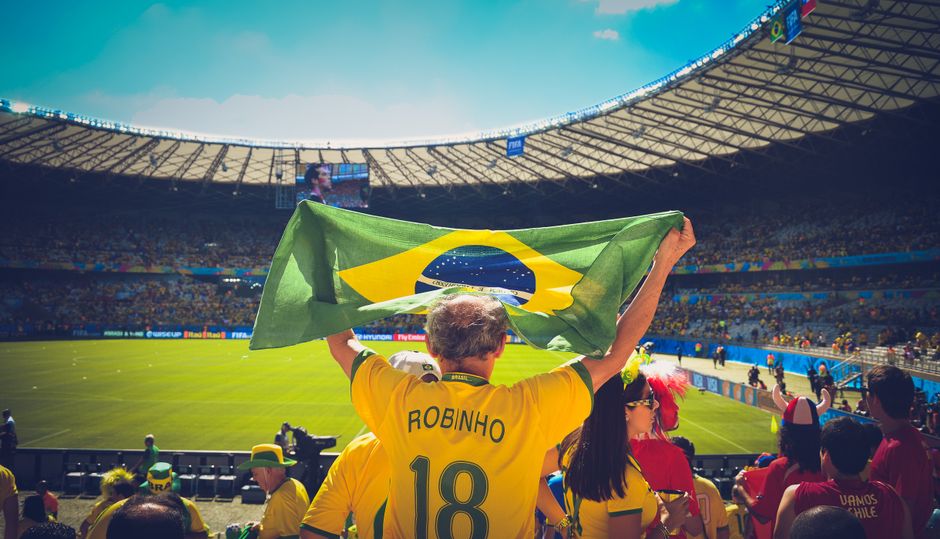
Brazil enters the 2026 World Cup as an underdog – an unusual position for the five-time champions. According to reports, this status “may alleviate pressure, potentially fostering a resilient mindset that could surprise in the 2026 World Cup.”
Historically, Brazil has carried massive expectations. A lower profile could work to their advantage, allowing players to focus on performance without the weight of a nation’s hopes. The team’s squad details were not disclosed, but the mentality shift is a key narrative.
An underdog Brazil is perhaps the most dangerous Brazil of all.
If the team leverages this mindset, they could make a deep run – and potentially even claim a sixth star.
Looking Ahead
The 2026 World Cup in Qatar is shaping up to be a tournament unlike any other: a digital-age event with crypto at its core, a host nation leveraging sports diplomacy, and multiple teams at inflection points. The USMNT’s youth movement, Lopetegui’s coaching, Courtois’ retirement dilemma, and Brazil’s underdog mentality all add layers of intrigue.
As June 14, 2026 approaches, the world will watch not just for goals and glory, but for the future of sports in a digital and decentralized era. FIFA has placed its bet – and the entire sporting ecosystem is paying attention.