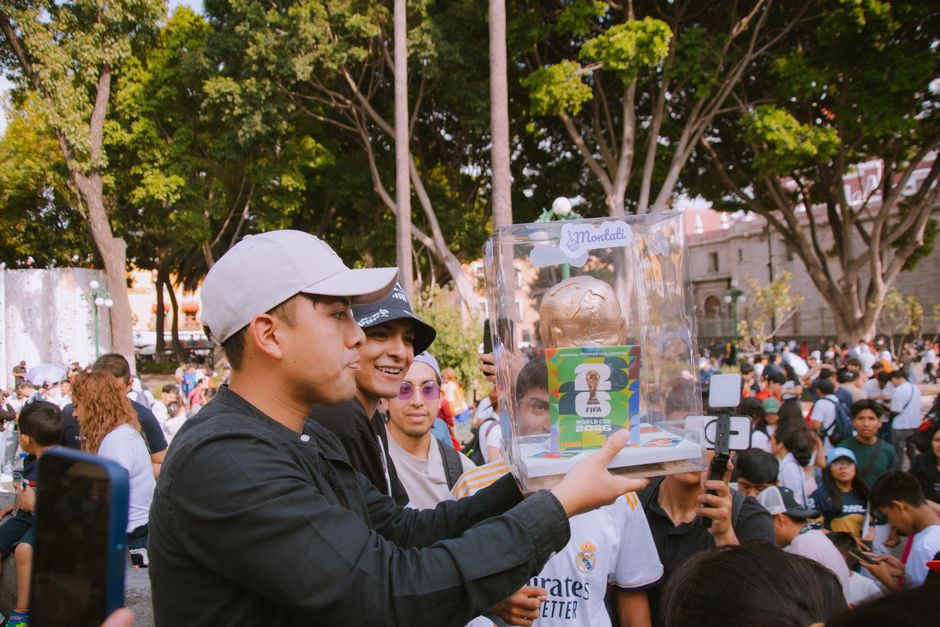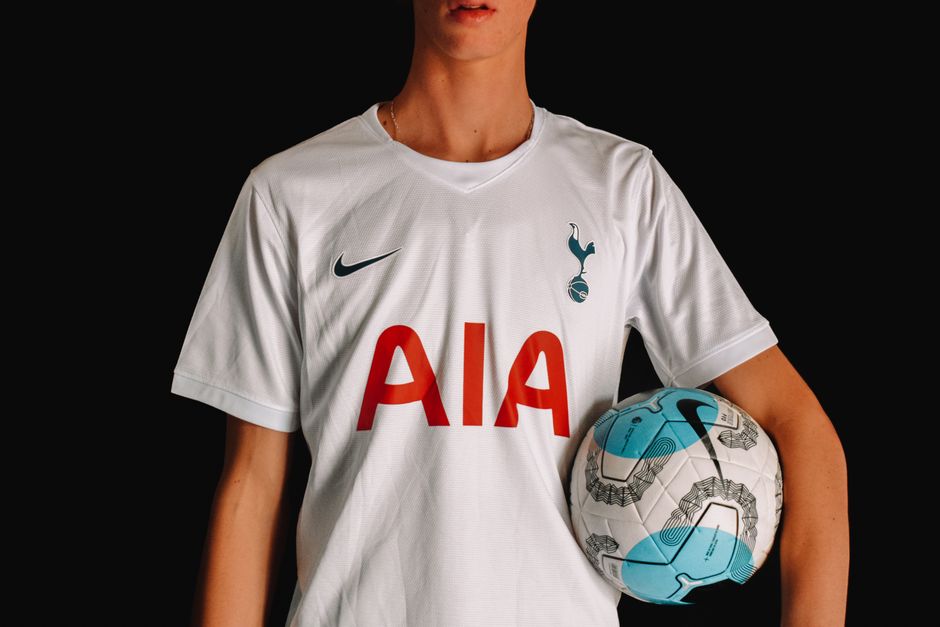
The 2026 FIFA World Cup in Brazil is rewriting the playbook for global sports events — and crypto is writing its own chapter. As the tournament unfolds from July 14 to 28, digital assets are no longer a sideshow. With Kraken as a headline sponsor, fan tokens surging, and a star transfer fueling $SPURS speculation, blockchain has officially entered the pitch.
What to know
- The World Cup is being held in Brazil for the first time, with the final at the iconic Maracana Stadium in Rio de Janeiro.
- Crypto exchange Kraken has stepped in as a major sponsor, marking one of the most visible crypto-branded campaigns in sports history.
- The USA national team has already advanced to the Round of 16, boosting engagement from American fans and crypto enthusiasts alike.
- Fan tokens — especially those tied to national teams — are experiencing volatility around match days, with the England vs Mexico match poised to be a key volatility event.
- Tottenham Hotspur’s pursuit of Eli Junior Kroupi has caught the attention of $SPURS token holders, who see a potential catalyst for token price activity.
- Blockchain integration in ticketing, merchandise, or fan engagement at this scale could serve as a blueprint for future World Cups and other megasporting events.
- The precedent set by this tournament could accelerate institutional adoption, but also raises questions about market manipulation and fan protection.
The Institutional Play: Why Kraken’s Sponsorship Matters
Kraken’s entry into World Cup sponsorship is a signal to the market that digital asset platforms are ready to compete with traditional finance for global brand recognition. Unlike previous crypto sponsorships that targeted niche audiences, the World Cup offers universal reach. The partnership places Kraken alongside legacy brands in the eyes of billions.
The timing is strategic. With the USA advancing to the knockout stages, American viewership is likely to peak — and Kraken is positioning itself to capture that audience. This is not just about logo placement; it’s about normalizing crypto as a mainstream financial tool.
Fan Tokens: A New Asset Class in Play
The tournament has turned into a live trading environment for fan tokens. FIFA’s openness to blockchain has encouraged national associations to launch or promote their own tokens. The England vs Mexico match, scheduled during the group stage, is anticipated to drive significant trading volume and volatility in related fan tokens.
These tokens are not just speculative vehicles — they offer holders voting rights on minor club decisions, access to exclusive content, and a sense of digital ownership. For clubs like Tottenham Hotspur, fan tokens are becoming a revenue channel and a way to deepen fan engagement. The $SPURS token, in particular, has shown price sensitivity to club news.
The Kroupi Transfer: $SPURS on the Move
The Tottenham Hotspur rumor mill is in overdrive with reports that the club is targeting Eli Junior Kroupi, a promising forward. If the transfer materializes, it could be the largest in the club’s history — and that has direct implications for the $SPURS fan token.
Historically, major signings have correlated with spikes in fan token trading. For $SPURS holders, the prospect of a record transfer brings both excitement and heightened volatility. The move also underscores a broader trend: football transfers are now intertwined with crypto markets, creating a new feedback loop between sporting decisions and digital asset prices.
What This Means for the Future of Sports Finance
The 2026 World Cup may be remembered as the "crypto World Cup." The integration of blockchain into the tournament fabric — from sponsorship to fan tokens to potential payment solutions — sets a precedent that could ripple across the sports industry.
FIFA’s willingness to embrace digital assets signals a shift. Future tournaments may see even deeper integration: on-chain ticketing to prevent fraud, decentralized fan voting, and tokenized stadium experiences. The operational efficiencies of blockchain — transparency, immutability, speed — align well with the demands of a global event.
Risks and Scenarios
However, the marriage of crypto and sports is not without risks. Fan tokens are highly volatile, and their correlation with match outcomes can lead to sharp losses for unsuspecting fans. Regulatory bodies are watching closely, and any major scandal could set back adoption.
There is also the question of market manipulation. Whales holding large amounts of fan tokens could sway voting outcomes or create artificial price swings. As the Tottenham-Kroupi saga shows, rumors alone can move markets — raising concerns about insider trading and information asymmetry.
Who Stands to Benefit?
- Crypto exchanges like Kraken gain brand exposure and new user signups.
- Clubs like Tottenham Hotspur unlock new revenue streams through token launches and engagement fees.
- Fans get a more interactive experience and potential financial upside, but also bear risk.
- Crypto investors find new speculative assets tied to real-world events.
Looking Ahead
As the World Cup final approaches on July 28 at Maracana, the crypto narrative will continue to evolve. Whether through Kraken’s sponsorship, the volatility of fan tokens, or the $SPURS story, the tournament is proving that blockchain and football are a powerful combination. The precedent set here will be studied by event organizers, marketers, and regulators for years to come. The beautiful game now has a digital heartbeat.