The Strait of Hormuz, the world's most critical oil chokepoint, is once again in the crosshairs. A US Navy blockade and an IRGC missile strike have pushed Iran-US tensions to a new peak, with global energy markets on edge.
What to know
- The US Navy has imposed a blockade in the Strait of Hormuz, reducing shipping activity in the vital waterway.
- The IRGC launched a missile strike that hit an oil tanker, amplifying fears of a broader conflict.
- A separate drone incident earlier this week intensified US-Iran tensions, though specifics remain unclear.
- The IRGC publicly congratulated Iranian athletes, using sports diplomacy to highlight its militarized influence.
- Global energy markets face potential disruption if the blockade persists or Iranian retaliation escalates.
- Diplomatic resolution has become more difficult amid the ongoing military actions by both sides.
- The U.S. and Israel are described as jointly engaged in the military conflict, though specific roles are not detailed.
The Strait of Hormuz Under Siege
The blockade imposed by the US Navy in the Strait of Hormuz represents a significant escalation. The Strait is a narrow corridor through which a huge volume of the world's oil supply must pass. The mere presence of a military blockade has already begun to slow shipping activity, raising immediate concerns about supply chain reliability.
A blockade in the Strait of Hormuz is not just a regional military action; it is an economic lever that could rock global energy markets.
Iran, through the IRGC, has consistently viewed the Strait as both a strategic asset and a point of vulnerability. The US Navy's move to assert control may be seen in Tehran as an act of provocation that demands a response. The blockade may provoke Iranian retaliation, and the region is bracing for that possibility. The US and Israel are now fully engaged in a confrontation that risks spiraling out of control.
Every passing hour under blockade tightens the pressure. Shipping companies are already rerouting or halting operations, and insurance premiums for vessels transiting the Strait are expected to surge. The IRGC has signaled that it will not stand idly by while the US Navy controls the waterway. The potential for a direct naval confrontation has never been higher in recent years.
The Missile Strike and Its Aftermath
Days after the blockade began, an IRGC missile strike hit an oil tanker in the region. The attack directly targeted commercial shipping, a clear departure from earlier incidents. This act has exacerbated regional instability and sent a clear signal that Iran is willing to use force to challenge the blockade.
The strike also complicates diplomatic efforts. Any hope of de-escalation now seems remote, as both sides dig in. The risk of miscalculation is high – a single stray missile or accidental collision could trigger a much wider conflagration. The IRGC's willingness to strike a civilian‑registered vessel marks a new threshold in the conflict.
Importantly, the tanker strike is not an isolated event. It follows a sequence of provocations: a drone incident, then the blockade, then the missile. The pattern suggests deliberate escalation by the IRGC. The US Navy and its allies must now decide whether to respond in kind or seek a diplomatic off‑ramp that currently appears nonexistent.
The missile strike on an oil tanker is a dangerous game changer. It directly endangers international commerce and raises the stakes for everyone operating in the Gulf.
A Broader Military Engagement: The US and Israel
The conflict is not solely between Iran and the US. According to reports, Israel is also engaged in the military operations in the region. While the specific nature of Israel's involvement is not detailed, its presence adds another layer of complexity. Israel has long been a bitter foe of Iran, and its participation could galvanize Iranian hardliners.
The US Navy blockade appears to be part of a coordinated effort between Washington and Jerusalem. But the full extent of this collaboration remains unclear. What is clear is that the already tense region is now a theater for a multi‑actor conflict. The involvement of Israel could provoke a broader IRGC response, including missile attacks on Israeli targets or proxy actions in Lebanon and Syria.
Meanwhile, the US has deployed additional naval assets to the region, though these details are not fully confirmed by the official statements. The combination of US and Israeli military presence creates a scenario where any miscalculation could have severe consequences. The IRGC has previously threatened to target any nation that collaborates with the US in the region.
Sport and Propaganda: The IRGC's Unusual Message
Amid the escalation, the IRGC found time to congratulate Iranian athletes on their achievements. This gesture, though seemingly innocuous, highlights the entrenched militarization of Iranian society. The IRGC uses sports diplomacy to boost its domestic legitimacy while projecting strength abroad.
This move is a reminder that the military conflict is not just about territory or oil; it is also a battle for narrative. The IRGC wants to show that it remains the guardian of Iranian pride, even as its missiles fly and the US Navy blockades the Strait. By associating itself with athletic success, the IRGC attempts to weave martial spirit into everyday life.
However, the timing of the message – issued as a missile strike and a blockade dominate headlines – underscores the regime's ingrained militarization. It also serves as a message to the Iranian public: the IRGC is both defender of the homeland and patron of national triumphs. This dual role strengthens the IRGC's domestic position even as it pushes the country toward confrontation.
Energy Markets on Edge
The potential for a full disruption of oil flows through the Strait of Hormuz has global energy markets on high alert. The Iran-US tensions could destabilize global energy markets, leading to price spikes and supply shortages. The blockade has already reduced shipping activity, and any further escalation – including Iranian retaliation – could choke off supply.
The market impact is not yet fully realized, but traders are watching closely. A prolonged blockade would force a reevaluation of global oil supply routes and could accelerate investments in alternative energy sources. For now, the immediate risk is a sudden price surge that could ripple through the global economy.
Energy analysts note that the Strait of Hormuz is the world's most important oil chokepoint. Any sustained disruption here would be felt from gas stations in the US to power plants in Asia.
The IRGC missile strike on an oil tanker has already caused some shipping companies to suspend operations in the region, tightening supply expectations. If the blockade continues and retaliation occurs, oil prices could spike significantly, impacting economies already dealing with inflation and geopolitical uncertainty.
The Ripple Effect: Who Pays the Price?
The immediate costs of the conflict are borne by the Iranian and US militaries and the crews of vessels in the region. But the secondary effects cascade outward. Global energy markets are only the most visible part. Insurance costs for shipping in the Gulf are rising. Maritime security forces are being stretched. Diplomatic relations between major powers are strained as each side takes sides.
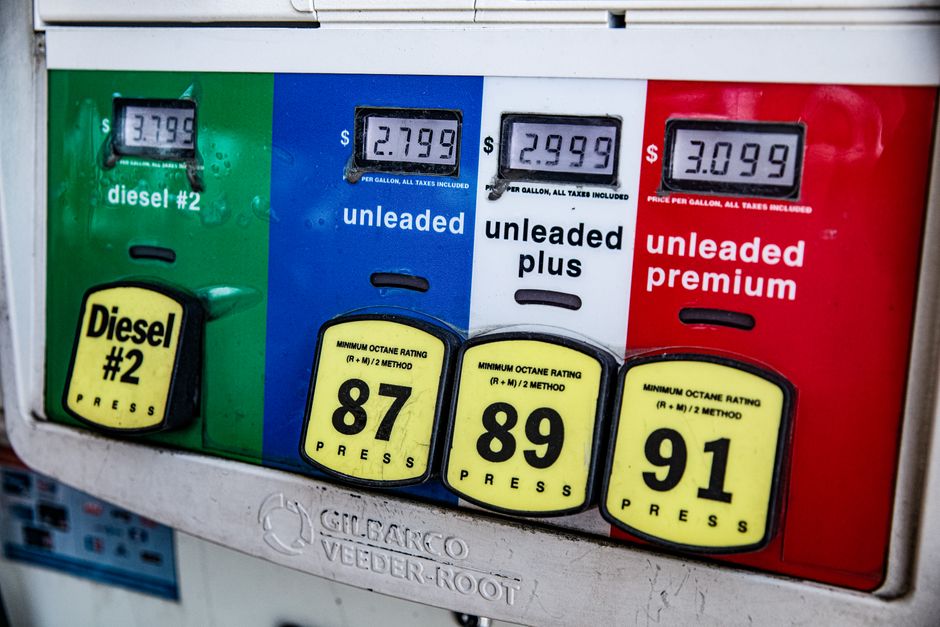
For consumers, the most direct impact will come at the pump. If oil flows through the Strait of Hormuz are significantly reduced, gasoline prices in many countries will rise. Economies heavily dependent on oil imports from the Gulf – such as China, India, Japan, and South Korea – are particularly vulnerable. The US, as a major producer, may be less affected, but global oil prices are interconnected.
Investors are already rotating out of risk‑on assets in anticipation of a prolonged crisis. Safe‑haven assets like gold and the dollar are gaining. The IRGC's actions and the US Navy's response are rewriting the risk calculus for the entire region.
What to Watch Next
Several indicators will determine whether this crisis de‑escalates or explodes. First, any further IRGC attacks on commercial or military vessels will signal that Iran is committed to a prolonged confrontation. Second, the US Navy may tighten or loosen the blockade depending on diplomatic signals. Third, the drone incident that preceded the blockade remains unresolved; if the US retaliates for that incident, it could set off a new cycle of escalation.
The IRGC's congratulations to athletes may be a subtle signal that Iran is trying to maintain a degree of normalcy while escalating, or it could be a distraction. Meanwhile, the Israeli role remains shadowy but critical. Any direct Israeli action against IRGC targets could widen the conflict rapidly.
Mitigating the Fallout
De‑escalation will require both sides to step back from the brink. The US could lift the blockade in exchange for Iranian guarantees of safe passage for neutral shipping. The IRGC could halt further missile strikes and return to targeted diplomacy. But such moves seem unlikely given the entrenched positions.
International organizations and neutral powers may attempt mediation. But the presence of Israel as a belligerent complicates any unified diplomatic effort. The only certainty is that the status quo is unsustainable. A single spark could ignite a firestorm.
The world is watching the Strait of Hormuz. The decisions made in the coming days will shape the regional order for years.
Looking Ahead
The situation in the Strait of Hormuz remains extremely fluid. The U.S., Israel, and Iran are locked in a standoff that could escalate at any moment. The IRGC missile strike and the US Navy blockade have set a dangerous precedent. Global energy markets are preparing for the worst, while diplomats scramble for a off‑ramp.
In the coming days, the world will watch for any sign of de‑escalation – or further escalation. The stakes could not be higher. The region's stability and the global economy hang in the balance. The IRGC and the US Navy are on a collision course, and the price of failure is measured in both barrels of oil and lives.