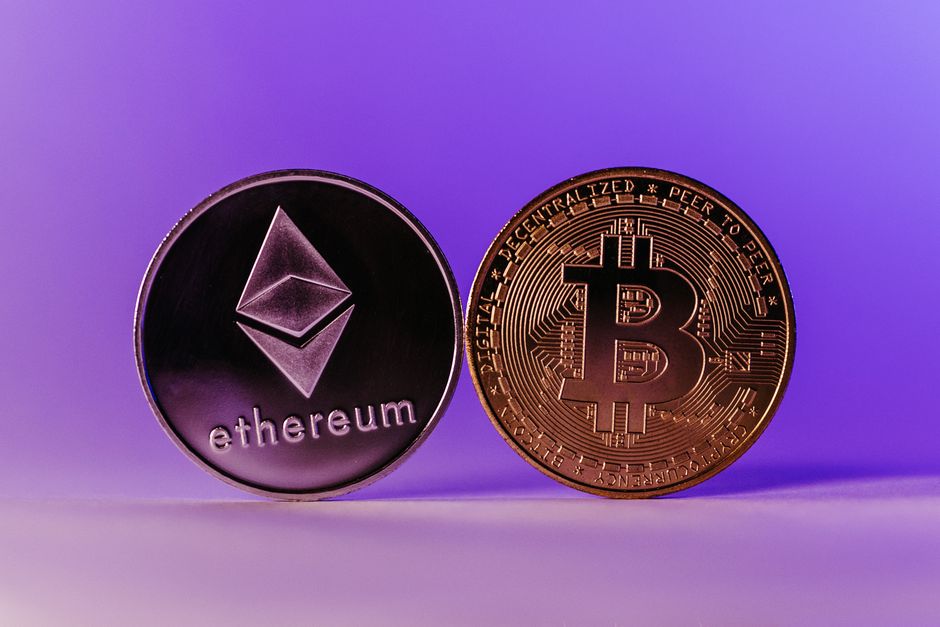
Ethereum's recent rally on ETF hopes has stalled as a more cautious policy environment takes hold. Across the Layer 1 landscape, risk-off pressure is spreading, with major tokens testing key support levels and exchanges rolling out new products to keep traders engaged.
What to know
- Ethereum is weakening as ETF optimism runs into a cooler policy backdrop, according to reports from July 17, 2026.
- Solana is testing the $77 support level as risk-off pressure spreads across Layer 1 networks.
- Cardano is also testing support, with traders looking for a more compelling catalyst to drive price action.
- Kraken has rolled out two updates: a borrow feature that turns idle collateral into flexible trading tools, and options trading for US-based investors seeking regulated crypto risk exposure.
- The broader market context includes ongoing discussions around cryptocurrencies, Bitcoin, e-liquidity, and the future of the banking industry.
- Volume and volatility remain elevated as traders weigh macro uncertainty against institutional adoption trends.
What Happened: A Layer 1 Reckoning
On July 17, 2026, a series of reports from newsbtc.com painted a clear picture: the top Layer 1 networks are under pressure. Ethereum led the decline as expectations for a spot ETF ran into a more restrictive policy environment. The phrase "cooler policy backdrop" captures the tension between regulatory caution and market enthusiasm.
At the same time, Solana slipped toward the psychologically important $77 support zone. The level has historically acted as a pivot point for the asset, and a break below could accelerate selling. Cardano, meanwhile, continues to drift lower as its community waits for a fresh catalyst — something that has been elusive in recent weeks.
The simultaneous pressure across three major chains suggests a macro-driven move rather than project-specific issues.
The reports follow a pattern of increasing correlation among Layer 1s as traders rotate out of risk assets amid tightening financial conditions and regulatory headlines.
Why It Matters: ETF Hopes Meet Policy Reality
Ethereum’s recent price action has been heavily influenced by the narrative around a spot ETF. Optimism peaked in early July when multiple filings were submitted, but the SEC’s cautious stance and a shift in political winds have dampened expectations. The phrase "cooler policy backdrop" in the report points to a recalibration of what is realistically achievable in the near term.
This matters because ETF approval is widely seen as a gateway for institutional capital. If the regulatory environment stays chilly, the multi-billion-dollar inflows that many had priced in may be delayed. That would leave Ethereum — and by extension the broader crypto market — reliant on organic demand and network growth.
ETF optimism alone cannot sustain a rally when policy headwinds are strengthening.
The risk-off pressure is not isolated to Ethereum. Solana and Cardano are also feeling the heat. Their respective ecosystems are at different stages of maturity, but all three are sensitive to the same macro factors: interest rate expectations, regulatory uncertainty, and liquidity shifts.
Key Drivers: From Kraken Innovation to Macro Pressure
Not all news was bearish. Kraken introduced two new products that signal a maturing market infrastructure. The first is a Borrow update that allows users to turn idle collateral into a more flexible trading tool. Instead of sitting idle, assets can now be leveraged for short-term liquidity without needing to sell.
Kraken’s borrow update effectively turns dormant capital into active fuel for traders.
The second development is an options product tailored for US traders, offering a regulated route into crypto risk. Options markets are critical for hedging and price discovery, and Kraken’s push into this space could attract more sophisticated participants. Both products suggest that despite the price pullback, exchange innovation continues.
At the macro level, the market is digesting overlapping narratives: the future of the banking industry, the role of Bitcoin as digital gold, and the emergence of e-liquidity — a term that may refer to tokenized liquidity or electronic trading systems. These themes underscore that crypto is increasingly embedded in broader financial infrastructure.
Who Is Affected: Traders, Investors, and Protocols
The current environment is particularly challenging for short-term traders. With Ethereum losing momentum and Solana testing $77, the direction of the next move is uncertain. Breakout traders who bought on ETF hype are now sitting on losses, while swing traders are waiting for confirmation of support or a breakdown.
Long-term holders, on the other hand, may see this as a testing phase. Ethereum’s fundamentals — active developers, DeFi total value locked, and upcoming upgrades — remain strong. But if the policy backdrop does not improve, patience will be key.
Cardano traders are arguably in the toughest spot. The network has been criticized for slow development velocity, and the lack of a catalyst means price action is purely reactive to broader trends. Without a narrative of its own, ADA is at the mercy of the market.
For Cardano traders, the search for a catalyst is becoming a recurring theme.
Retail investors are also affected indirectly. If Solana breaks below $77, it could trigger stop-losses and liquidations, amplifying downside. Conversely, a strong hold at that level could signal resilience and attract dip buyers.
Looking Ahead
The immediate focus is on whether Solana can hold $77 and whether Ethereum finds a bid above its own support zone. The Kraken products may provide a short-term lift in sentiment, but the macro and policy factors are likely to dominate in the coming weeks.
Traders should watch for any signals from regulators regarding ETF applications, as well as broader risk appetite in traditional markets. If the policy backdrop continues to cool, further downside is possible. But if the market sees the current pullback as a buying opportunity, a relief rally could develop.
The Layer 1 landscape is at an inflection point. The next few sessions will be critical in determining whether the risk-off pressure is a temporary pullback or the start of a deeper correction.
This article is based on reports from newsbtc.com published on July 17, 2026.