The Arabian Gulf is on the brink. A series of escalations—from a cargo vessel explosion to an Iranian blockade threat—are pulling the US, Iran, and Israel into a cycle of confrontation with global consequences.
What to know
- On June 1, 2026, an explosion on a cargo vessel in the Arabian Gulf further escalated tensions between the US, Iran, and Israel.
- This follows US airstrikes on Iranian military sites along the Strait of Hormuz, which risked destabilizing global shipping routes.
- Iran subsequently attacked Kuwait, complicating diplomatic efforts and casting doubt on a US-Iran ceasefire extension.
- Iran has announced plans to blockade the Strait of Hormuz, a critical chokepoint for global oil shipments, threatening global oil supply.
- Rising tensions risk destabilizing the entire Middle East, disrupting international shipping lanes, and impacting energy markets.
- The situation raises the specter of a broader military conflict involving multiple nations.
- Diplomatic channels are faltering, with prospects for de-escalation diminishing.
The Incident: A Vessel Under Fire
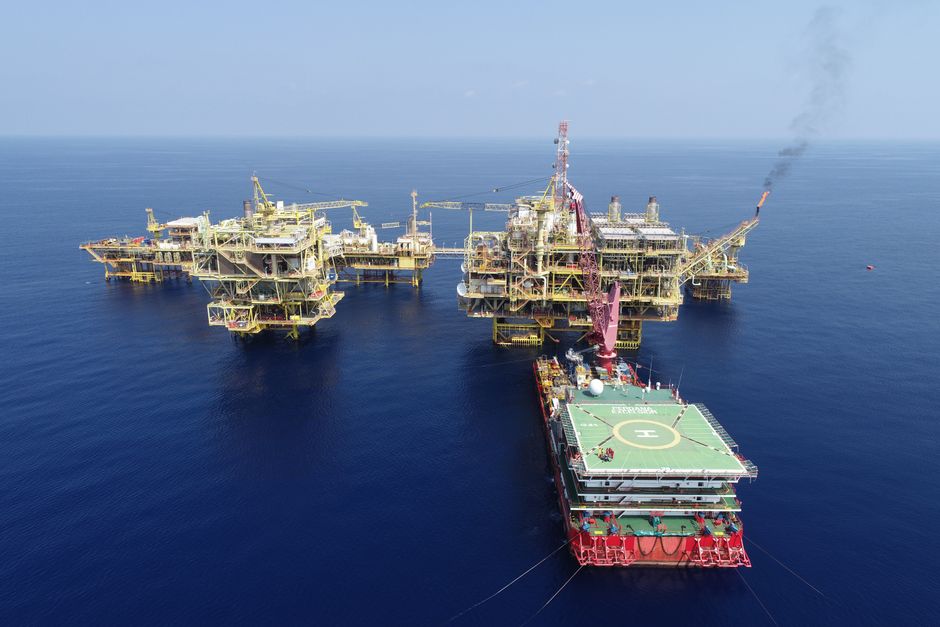
On the first day of June, an explosion rocked a cargo vessel navigating the waters of the Arabian Gulf. The blast did not occur in a vacuum. It was the latest and most direct escalation in a chain of events that has turned the region into a powder keg. While the full details of who was responsible remain murky, the context leaves little doubt that this is part of a larger pattern of confrontation involving the United States, Iran, and Israel.
The explosion on the cargo vessel is a physical manifestation of the rising risk in the Arabian Gulf.
A Cascade of Confrontation
US Strikes on Iranian Targets
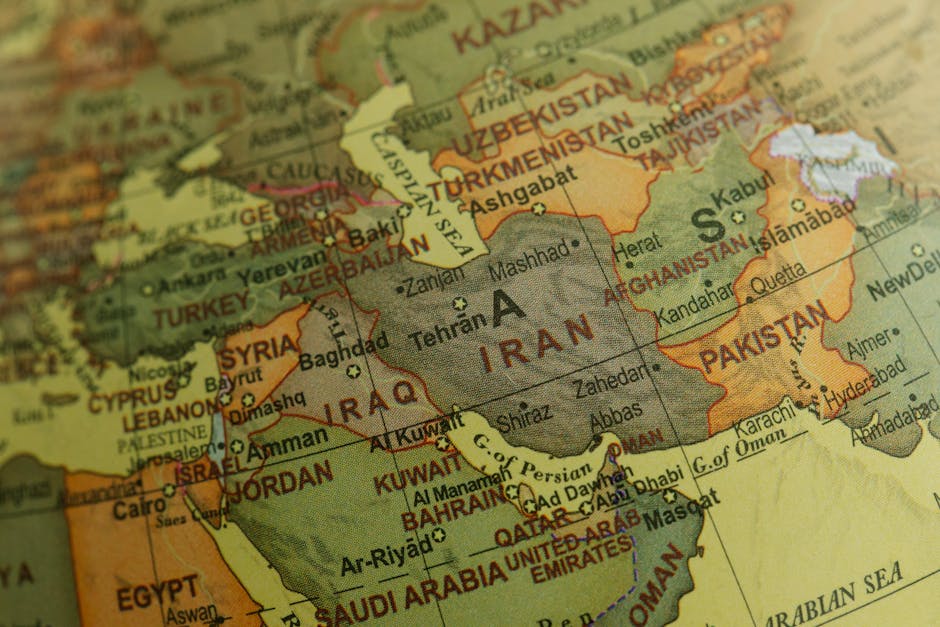
Prior to the vessel explosion, the United States had already conducted strikes on Iranian military sites along the Strait of Hormuz. These operations were framed as a response to prior Iranian provocations, but they also signaled a shift from deterrence to direct action. The Strait of Hormuz, a narrow waterway through which a substantial portion of the world's oil passes, became a flashpoint. The US strikes risked destabilizing global shipping routes and drew the possibility of increased military involvement from other regional players. The strikes escalated tensions that were already simmering.
Iran Strikes Kuwait
In a brazen move, Iran attacked Kuwait. This attack did more than just expand the geographical scope of the conflict. It directly challenged the stability of a neighboring Gulf state and sent a clear message to the US and its allies that no one in the region is safe. The assault on Kuwait dramatically complicated diplomatic efforts. Any hopes for a ceasefire extension between the US and Iran were dashed, as trust evaporated in the smoke of the strikes. The attack on Kuwait heightens regional instability and reduces prospects for a US-Iran ceasefire extension.
The Strait of Hormuz Blockade Plan
Perhaps the most consequential development is Iran's declared intention to blockade the Strait of Hormuz. Such a move would be an unprecedented act of economic warfare. By cutting off the passage of oil tankers, Iran could disrupt global oil supply, sending shockwaves through energy markets and threatening economies worldwide. The blockade plan has escalated the conflict beyond a regional dispute into a global economic emergency. The plan may escalate regional conflict, disrupt global oil supply, and hinder peace prospects, amplifying Middle East instability.
Implications for Global Shipping and Energy
The Arabian Gulf is the artery of the global oil trade. Any disruption to shipping routes here has immediate and severe consequences for energy prices, supply chains, and international security. The explosion on the cargo vessel is a physical manifestation of the rising risk. Shipping companies may now avoid the region, further straining logistics. Insurance premiums for vessels transiting the Gulf have likely soared. The longer this instability persists, the more entrenched the disruption becomes.
Global shipping routes are now under direct threat from military action in the Strait of Hormuz.
Regional Security in the Balance
The web of alliances in the Middle East is being tested. Kuwait, Israel, and other Gulf states are forced to choose sides or seek neutrality. Iran appears willing to escalate even at the risk of a wider war. The United States is committed to protecting its allies and maintaining freedom of navigation, which means further military engagement is probable. The risk of miscalculation is high. An accidental attack on a US or allied vessel could trigger a full-scale conflict. The rising tensions could destabilize regional security, disrupt global shipping routes, and increase the risk of broader military conflicts.
Looking Ahead
The coming days will be critical. Will diplomatic channels reopen despite the attacks? Can a ceasefire be salvaged? Or is the region on an irreversible path toward war? The Strait of Hormuz blockade, if executed, would be a line in the sand. The international community must brace for the possibility of a sustained and dangerous escalation. For now, the Arabian Gulf remains a theater where every move counts, and the explosion on that cargo vessel may be remembered as the moment the crisis tipped over the edge.