Geopolitical tensions between the US and Iran have reached a critical juncture. With mediation efforts underway and the specter of military action looming, global markets are bracing for turbulence across oil, inflation, and crypto assets.
What to know
- Trump has informed Netanyahu of mediation efforts to draft a framework ending the US-Iran conflict.
- Trump has indicated Iran talks are on the borderline between a deal and strikes.
- Trump leans toward military strike on Iran but has offered a negotiation window.
- Potential military action could destabilize global markets, impacting oil prices and crypto volatility.
- Erdogan's mediation efforts may stabilize regional tensions, reducing geopolitical risk and energy price volatility.
- The potential collapse of Iran negotiations could trigger global economic instability, affecting oil prices, inflation, and financial markets.
- Mediation efforts could reshape global markets, impacting energy prices, geopolitical stability, and investor sentiment worldwide.
The Stakes: A Framework on the Edge
Recent reports from Crypto Briefing highlight a flurry of diplomatic and military signals. According to the reports, Trump has informed Netanyahu of mediation efforts to draft a framework that could end the US-Iran conflict. At the same time, Trump has described the Iran talks as being on a borderline between a deal and strikes, and has leaned toward military action while opening a negotiation window.
This dual-track approach has created a high-stakes environment where the outcome could go either way. The market is now pricing in the possibility of a dramatic shift in the Middle East, with ripple effects that extend far beyond the region.
The window for a diplomatic solution appears narrow, but the consequences of failure are enormous.
The Dual-Track Approach
Trump's strategy appears to combine the threat of force with an offer of negotiation. This approach is designed to maximize pressure on Iran while maintaining a path to de-escalation. However, it also introduces significant uncertainty. Markets dislike uncertainty, and the current situation is a textbook case.
The involvement of Netanyahu suggests that Israel's security concerns are a key component of any framework. Reports indicate that the mediation efforts aim to address these concerns while also providing a way out for Iran.
Global Markets in the Crosshairs
The potential for military action against Iran is not merely a geopolitical event; it has direct consequences for global financial markets. Analysts cited in the reports warn that such action could destabilize markets, particularly through oil price spikes. Iran's position as a major oil producer means any disruption to its supply could send energy prices soaring, feeding into inflation across economies.
Furthermore, the resulting uncertainty could spill over into crypto assets, which have historically reacted to macro shocks. Investors are now pricing in a risk premium across multiple asset classes.
Oil Price Shock Scenarios
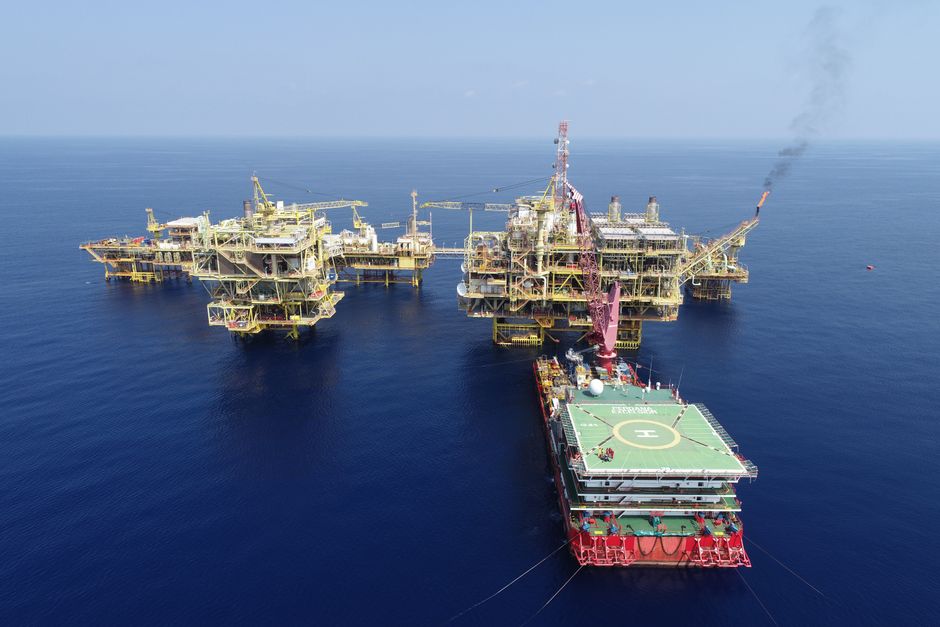
A military strike could remove a significant portion of global oil supply from the market, even temporarily. This would likely lead to a sharp increase in crude prices, raising costs for businesses and consumers alike. The impact would be felt worldwide, from gasoline prices to industrial input costs.
Any disruption to Iran's oil output could have an outsized effect on an already tight global energy market.
Inflation and Central Banks
Higher oil prices feed directly into inflation, complicating the efforts of central banks to manage price stability. If energy costs rise, inflation may remain stubbornly high, forcing central banks to maintain or even tighten monetary policy. This would have knock-on effects on bond yields, equity valuations, and growth expectations.
Investor Sentiment
Geopolitical risk is notoriously difficult to price, but current indicators suggest that investors are increasingly cautious. Safe-haven assets such as gold and the US dollar have seen increased demand, while riskier assets including emerging market equities and cryptocurrencies have experienced heightened volatility. The potential collapse of negotiations would likely amplify these trends.
Mediation Efforts: Erdogan’s Role and the Diplomatic Path
In a potentially positive development, Erdogan’s mediation efforts have emerged as a factor that could stabilize regional tensions. According to reports, these efforts could reduce geopolitical risk and energy price volatility. If successful, a diplomatic resolution would likely calm markets and improve investor sentiment.
However, the window for such a resolution appears narrow, given Trump's stated inclination toward military strikes. Erdogan’s role adds a layer of complexity, as Turkey has its own interests in the region.
Turkey as Mediator
Turkey maintains relations with both the US and Iran, positioning it as a potential intermediary. Erdogan's involvement could provide a face-saving exit for all parties, but success is far from guaranteed. The framework being drafted by Trump and Netanyahu may or may not accommodate Turkish input.
The Narrow Window
The timeline for a negotiated outcome is uncertain. Trump has offered a negotiation window, but it is unclear how long that window will remain open. Markets are watching for any sign of progress or breakdown in talks. Every statement from Washington, Ankara, or Tehran moves prices.
Crypto Markets as a Barometer of Uncertainty
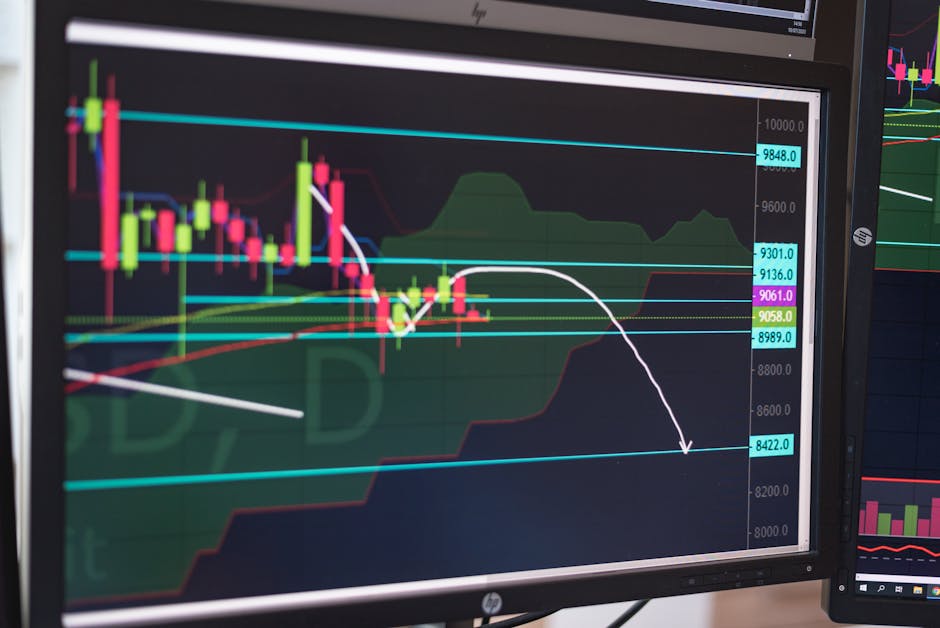
The crypto market, often sensitive to geopolitical turmoil, is showing signs of heightened volatility. The reports specifically note that the potential military action and negotiation collapse could cause volatility in crypto assets. This makes digital currencies a barometer for the broader uncertainty. Traders are watching the Iran situation closely, as any escalation could trigger risk-off moves.
Volatility Patterns
In times of geopolitical stress, cryptocurrencies often behave unpredictably. Some traders view Bitcoin as a safe haven, while others treat it as a risk asset. The current environment is likely to produce sharp price swings in both directions.
Crypto volatility is not just a side effect; it is a signal of the market's perception of risk.
Correlation with Geopolitical Risk
The correlation between crypto prices and geopolitical events has been growing. As the Iran situation evolves, crypto traders will need to monitor traditional market indicators such as oil prices and the dollar index to anticipate moves. The collapse of negotiations could drive a flight to cash or gold, potentially pressuring crypto valuations.
Looking Ahead
The coming days will be critical. The interaction between Trump, Netanyahu, and Erdogan will determine whether the US-Iran conflict moves toward a diplomatic framework or military confrontation. Markets will remain on edge, with oil prices and crypto volatility serving as real-time indicators. Investors should prepare for sharp moves in either direction. The possibility of a collapse of negotiations remains a major tail risk for global financial stability.
Key dates to watch include any public statements from Trump or Iranian officials, as well as reports of progress in mediation talks. The absence of a deal could lead to a rapid escalation, while a surprise agreement could spark a relief rally across risk assets.
In the end, the outcome hinges on whether the mediation efforts can bridge the gap between the deal and the strikes.