Iran's warning to close the Bab al-Mandab Strait marks a dangerous escalation in an already volatile US-Iran standoff, with ripple effects hitting both global energy markets and cryptocurrency positions. Crypto markets have already lost $700 million in liquidations as traders brace for wider disruption.
What to know
- Iran has threatened to close the Bab al-Mandab Strait, a critical chokepoint for oil and shipping, after earlier shutdowns of the Strait of Hormuz.
- The US launched strikes on Iranian radar facilities; Iran condemned the action as a ceasefire violation and warned of a self-defense response.
- Kuwait intercepted seven Iranian missiles, signaling the conflict is expanding across the region.
- Global energy markets face potential supply disruptions, with oil flows through both straits now under threat.
- Cryptocurrency markets shed $700 million in forced liquidations as geopolitical risk triggers rapid deleveraging.
- The crypto sector faces mounting compliance challenges as sanctions frameworks may tighten in response to the crisis.
- Crypto Briefing reported multiple events in sequence, highlighting the interconnectedness of global events and market vulnerability.
The Strait Showdown
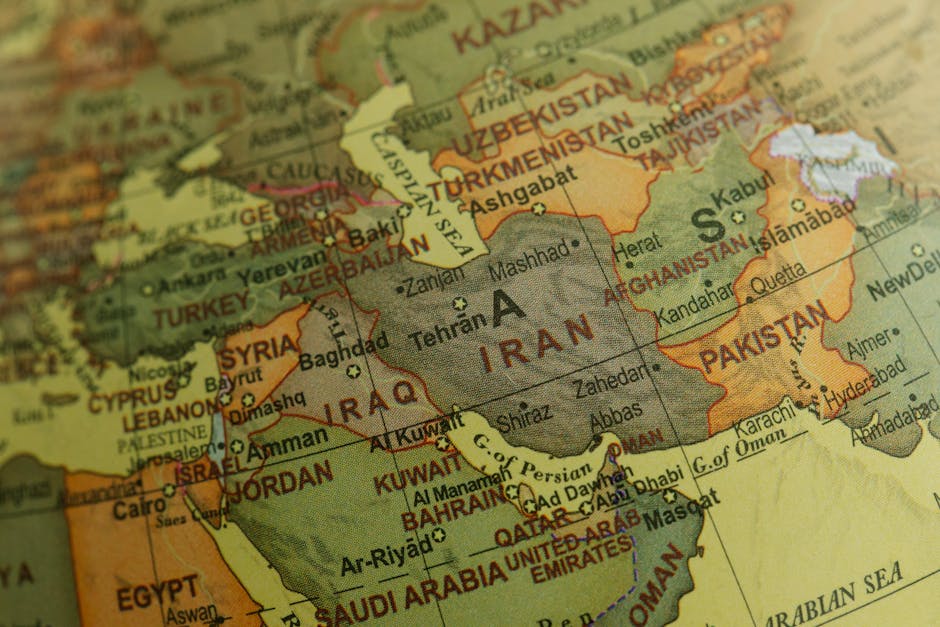
By threatening both the Strait of Hormuz and the Bab al-Mandab Strait, Iran is attempting to pressure the US and its allies by targeting two of the world's most critical maritime chokepoints. The Strait of Hormuz handles about 20% of global oil consumption, while Bab al-Mandab is the gateway to the Red Sea and Suez Canal. A closure of either would send shockwaves through energy supply chains.
Iran's strategy appears designed to exploit global dependence on these waterways, leveraging geography as a weapon in its confrontation with Washington.
Iran has already shut down the Strait of Hormuz, a move that sent oil prices into a tailspin. Now, by threatening Bab al-Mandab, it risks compounding the energy crisis. The Bab al-Mandab Strait lies between Yemen and Djibouti, a passage already complicated by Yemen's Houthi conflict. Iran's influence over Houthi forces makes the threat credible.
The timing is critical. US strikes on Iranian radar facilities were condemned by Tehran as a ceasefire violation, with Iran warning of self-defense actions. This tit-for-tat escalation leaves little room for de-escalation.
Energy Markets on Edge
The potential simultaneous closure of two major oil chokepoints has energy markets bracing for unprecedented disruption. Oil flows through the Strait of Hormuz are already halted, forcing tankers to reroute or idle. Adding a Bab al-Mandab closure would effectively cut off the eastern Mediterranean and North African routes, leaving only the Red Sea and Gulf of Aden as alternative—though risky—passages.
Global oil inventories are vulnerable. Any sustained disruption could push prices higher, stoking inflation and complicating central bank policies worldwide. The US is the world's largest oil producer, but it still relies on stable global markets. A prolonged block on these straits could force emergency releases from strategic reserves.
The energy supply chain is only as strong as its weakest link, and Iran is targeting both ends of that chain.
Crypto’s $700M Shock
Cryptocurrency markets reacted almost instantly to the geopolitical turmoil. Over $700 million in positions were liquidated across major exchanges, as traders rushed to exit leveraged bets. This mass deleveraging underscores how digital assets remain highly sensitive to macro shocks, despite narratives of being a hedge against geopolitical risk.
Crypto Briefing reported that “geopolitical tensions can trigger rapid market reactions, highlighting the vulnerability of leveraged positions and the interconnectedness of global events.” Bitcoin and Ethereum both saw sharp drawdowns, with volatility spiking as liquidation cascades hit the market.
The $700M figure is significant—it represents one of the largest liquidation events linked to geopolitical news this year. It reveals how crypto markets, often seen as independent, are tightly coupled with real-world geopolitical friction.
When straits close, crypto positions get closed.
Regional Fallout: Kuwait in the Crossfire
Kuwait intercepted seven Iranian missiles, a stark reminder that the conflict is no longer contained to the Persian Gulf. Kuwait is a key US ally and hosts American military bases. The missile interception suggests Iran is testing the reach of its arsenal and the response of regional air defense systems.
This incident elevates the risk of a wider conflict. If missiles land in civilian areas or cause casualties, the US might feel compelled to respond more forcefully. The Iranian government has consistently framed its actions as defensive, but the trajectory points to an escalating cycle of strikes and counterstrikes.
For the US, defending regional allies while avoiding a protracted war remains a delicate balance. The strikes on Iranian radar facilities were reportedly targeted, but Iran’s condemnation as a ceasefire violation implies that the threshold for open conflict is lowering.
Compliance Challenges for Crypto
The escalating sanctions environment poses immediate compliance headaches for cryptocurrency exchanges and DeFi protocols. As the US and its allies impose new sanctions on Iranian entities linked to the strait threats and missile attacks, crypto platforms must update their know-your-customer (KYC) and anti-money laundering (AML) screening.
Crypto Briefing highlighted that US-Iran tensions risk “increasing compliance challenges in the cryptocurrency sector.” This may involve stricter geo-blocking, enhanced monitoring of transactions involving Iranian wallets, and potential liability for any facilitation of sanctioned activities.
Past precedents show that crypto firms often face legal exposure when geopolitical conflicts escalate. The current crisis could prompt regulators to accelerate compliance frameworks, particularly for decentralized platforms that are harder to police.
Crypto’s borderless nature collides head-on with geopolitics, creating new legal risk for exchanges and protocols.
Looking Ahead
The next few days will be critical. If Iran follows through on its Bab al-Mandab threat, oil markets will face a two-front chokehold, potentially forcing global governments to negotiate. Cryptocurrency traders should brace for continued volatility, as any new headline—whether a missile interception, diplomatic talks, or further strikes—could trigger another wave of liquidations.
The US and Iran remain in a dangerous spiral. The involvement of Kuwait and the threat to key straits suggests the conflict is expanding beyond the Persian Gulf. For crypto markets, the $700M liquidation event is a warning shot: leverage is a luxury in turbulent times.
As the situation develops, the intersection of energy security, regional stability, and digital asset resilience will remain front and center. The world is watching two straits, but the tremors are being felt in portfolios everywhere.