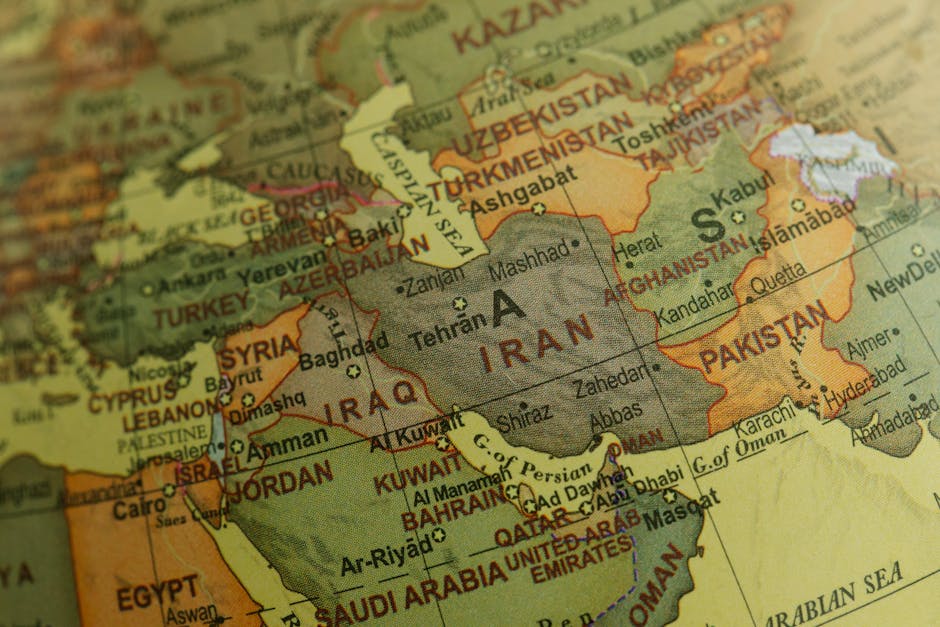
A missile strike by Iran's IRGC on an Israeli petrochemical complex has sent shockwaves through global markets, pushing Bitcoin below $63,000 and igniting a broad risk-off move. The incident underscores how quickly geopolitical turmoil can spill into financial assets.
What to Know
- The IRGC launched missiles at an Israeli petrochemical facility, marking a significant escalation in the ongoing conflict between Israel and Iran.
- Bitcoin dropped sharply, falling below $63K as investors fled risk assets in favor of safety.
- The attack risks destabilizing Middle Eastern energy markets, with potential knock-on effects on global supply chains and investor confidence across sectors.
- Multiple reports from Crypto Briefing detail a timeline of strikes and diplomatic fallout, including earlier air strikes between the two nations.
- The event highlights crypto's sensitivity to geopolitical instability, challenging the narrative that digital assets serve as a geopolitical hedge.
- IRGC actions are directly tied to Iran's military posture, adding layers of complexity to international diplomatic efforts.
- Oil and energy markets are on edge, with traders bracing for potential supply disruptions in the region.
- Open questions remain about how Israel will respond and what this means for broader regional security.
Missiles Over the Middle East: A New Escalation
The Islamic Revolutionary Guard Corps (IRGC) fired missiles at an Israeli petrochemical facility on June 9, 2026, according to multiple reports. This strike marks a dangerous turning point in the already tense relations between Israel and Iran. The attack targeted industrial infrastructure, moving the conflict beyond symbolic or military sites into critical economic assets.
The IRGC missile strike on a petrochemical complex is a direct hit on economic infrastructure, widening the sphere of conflict.
The sheer timing of the event—amid already heightened tensions—amplified its market impact. Previous air strikes between the two nations had set the stage, but this missile barrage crossed a new line. Tehran's involvement through its elite force signals a deliberate strategy to disrupt not just Israeli security but its economic stability.
Energy markets in the Middle East are now recalibrating. The region is a linchpin of global oil supply, and any disruption here sends shockwaves through commodity prices. While the full extent of damage remains unclear, the psychological impact on traders and investors is immediate.
Bitcoin's $63K Plunge: Crypto as Risk Asset
Bitcoin's slide below $63K in response to the missile strike is a stark reminder that crypto remains tightly correlated to macro risk. Despite years of claims that Bitcoin is "digital gold," it sold off in lockstep with other risk assets when the news broke.
The drop below $63K reinforces that Bitcoin behaves like a risk-on asset during geopolitical crises, at least in the short term.
Traders reacted swiftly. The risk-off wave hit not just crypto but equities and commodities, with only traditional safe havens like gold and U.S. Treasuries seeing inflows. The data point is unambiguous: when missiles fly, Bitcoin often falls.
This isn't the first time. Previous escalations in Ukraine and the Middle East have seen similar patterns. However, the magnitude of this drop—combined with the specific targeting of energy infrastructure—adds a new dimension. Investors are now questioning whether crypto can ever truly decouple from geopolitical turmoil.
Energy Markets on Edge
The attack on the Israeli petrochemical facility directly threatens Middle Eastern energy supply chains. While Israel is not a major oil producer, the region's stability is crucial for global oil transit, particularly through the Strait of Hormuz and the Suez Canal.
Any disruption to energy flows in the Middle East could spike oil prices, feeding inflationary pressures and complicating central bank policy.
Traders are already pricing in a risk premium. The IRGC's willingness to strike industrial sites raises the specter of broader economic warfare. If this escalates into a prolonged conflict, energy prices could climb, squeezing consumers and businesses worldwide.
For crypto markets, higher energy costs mean higher mining expenses for proof-of-work coins like Bitcoin. This could pressure miners and, by extension, network security. The interplay between geopolitics, energy, and crypto is multilayered.
Investor Sentiment and the Risk-Off Wave
The missile strike triggered an immediate shift in investor sentiment. The Crypto Briefing reports describing the event emphasize the need for investors to monitor diplomatic developments closely. The term "risk-off" is being used across trading desks.
- Equities: Futures dropped as traders sought safety.
- Bonds: Government bond yields fell as prices rose.
- Crypto: Selling pressure hit Bitcoin and altcoins alike.
- Commodities: Oil surged; gold edged higher.
The synchronization of these moves suggests that the market is treating this as a systemic risk event. Diversification across asset classes has not provided much shelter. For crypto holders, the lesson is sobering: geopolitical shocks can overwhelm even the most decentralized assets.
The Diplomatic Fallout
Beyond markets, the IRGC's missile attack complicates international diplomacy. Both Israel and Iran are key players in a volatile region. The United Nations and other bodies have called for de-escalation, but the strike—and the reported retaliatory air strikes—suggest no immediate off-ramp.
The escalation risks destabilizing regional security, impacting global markets, and straining international diplomatic efforts for peace.
Open questions dominate: How will Israel respond? Will the U.S. or other allies become directly involved? What does this mean for the broader Iran-Israel shadow war? The answers will determine whether this remains a one-off event or slides into a drawn-out conflict.
Investors must now factor in a geopolitically charged environment where sudden shocks become more frequent. The Middle East is no stranger to crises, but the targeting of economic infrastructure marks a new chapter.
Looking Ahead
The IRGC missile strike on the Israeli petrochemical facility and the subsequent Bitcoin drop below $63K represent a watershed moment. It highlights the fragility of global markets in the face of unforeseen geopolitical events. For crypto, it challenges the narrative of safe haven status, at least in the short term.
Going forward, traders will watch for:
- Any Israeli retaliation, which could deepen the conflict.
- Energy price movements and their impact on inflation and central bank policy.
- Whether Bitcoin recovers quickly or remains under pressure.
- Diplomatic efforts to de-escalate and their success.
In an interconnected world, no asset class exists in a vacuum. The missiles fired by the IRGC reverberated from Tehran to trading screens worldwide, reminding everyone that geopolitical risk is always just one headline away.