A cascade of events in the Strait of Hormuz is rewriting the rules of energy security, diplomacy, and market risk. The US has revoked Iran's oil waivers after fresh attacks, Israel has floated a $10 billion pipeline to bypass the chokepoint, and Qatar finds itself caught in the crossfire.
What to know
- The US revoked Iran oil waivers following attacks in the Strait of Hormuz, escalating already high tensions.
- Israel proposed a $10 billion oil pipeline designed to bypass the Strait of Hormuz, potentially reshaping regional alliances and reducing dependence on the critical waterway.
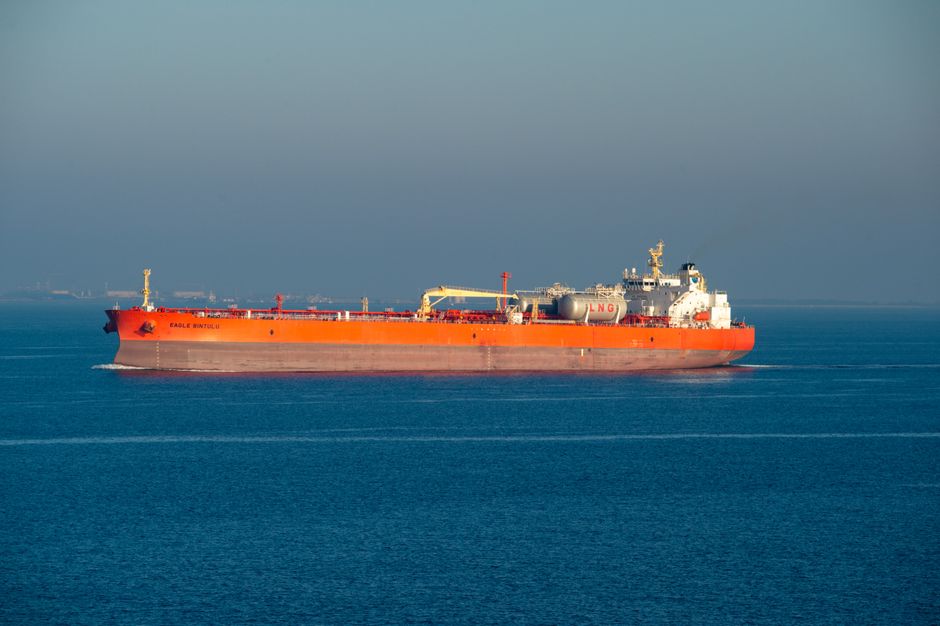
- Qatar summoned the Iranian envoy after an LNG tanker was targeted in Hormuz, complicating its mediation role between Washington and Tehran.
- The US 1-year Treasury auction saw higher yields amid softer demand, a signal that markets are pricing in increased volatility and potential disruptions.
- Analysts warn that the combination of geopolitical strife and rising yields may herald a period of heightened market instability and trade disruption.
The Strait Under Siege
The Strait of Hormuz is once again the epicenter of global energy anxiety. On July 7, 2026, the US confirmed the revocation of oil waivers granted to Iran after a series of attacks in the strategic waterway. The move is widely seen as a direct response to the targeting of vessels, including an LNG tanker that drew Qatar into the fray.
The revocation removes a key cushion that allowed some Iranian oil to reach markets despite sanctions. Without those waivers, the risk of a supply crunch rises sharply — especially given that roughly 20% of the world's oil passes through the Strait. The Strait has long been a flashpoint, but the combination of military incidents and diplomatic retrenchment raises the stakes beyond anything seen in recent years.
Israel's Pipeline Gambit
In a move that could fundamentally alter the region's energy geography, Israel has proposed a $10 billion oil pipeline to bypass the Strait of Hormuz. The proposed corridor would link Israeli ports directly to markets, effectively creating an alternative route for crude that side-steps Iranian waters.
The pipeline is not just an engineering project — it is a geopolitical statement. If built, it would reduce the leverage Iran holds over global oil flows and weaken the strategic importance of the Strait. It could also realign alliances: Israel, the US, and Gulf states that share a common interest in containing Tehran may find new common ground. However, the plan is still in its early stages, and its feasibility depends on financing, security, and political will.
Qatar's Diplomatic Tightrope
The attack on an LNG tanker in Hormuz has placed Qatar in an uncomfortable position. Doha has long served as a mediator between Washington and Tehran, leveraging its ties to both capitals. But the summoning of the Iranian envoy signals that patience is wearing thin.
For Qatar, the incident threatens to undermine its credibility as an honest broker. If it cannot protect its own LNG shipments or secure de-escalation, its ability to facilitate US-Iran dialogue will be severely hampered. That could have ripple effects across the region, potentially stalling broader diplomatic efforts and leaving the field open for more confrontational postures.
Markets on Alert
While the headlines focus on oil and diplomacy, a quieter but equally significant signal came from the US 1-year Treasury auction. The auction saw higher yields and softer demand — a classic sign that investors are demanding a premium for holding short-term US debt amid uncertainty.
Rising yields, when combined with geopolitical tensions, often precede market volatility. Traders are now pricing in the possibility of supply disruptions, higher inflation from energy costs, and a potential flight to safe havens. The interplay between Treasury yields and geopolitical risk is a powerful indicator that the calm markets have enjoyed may be giving way to a more turbulent phase.
Looking Ahead
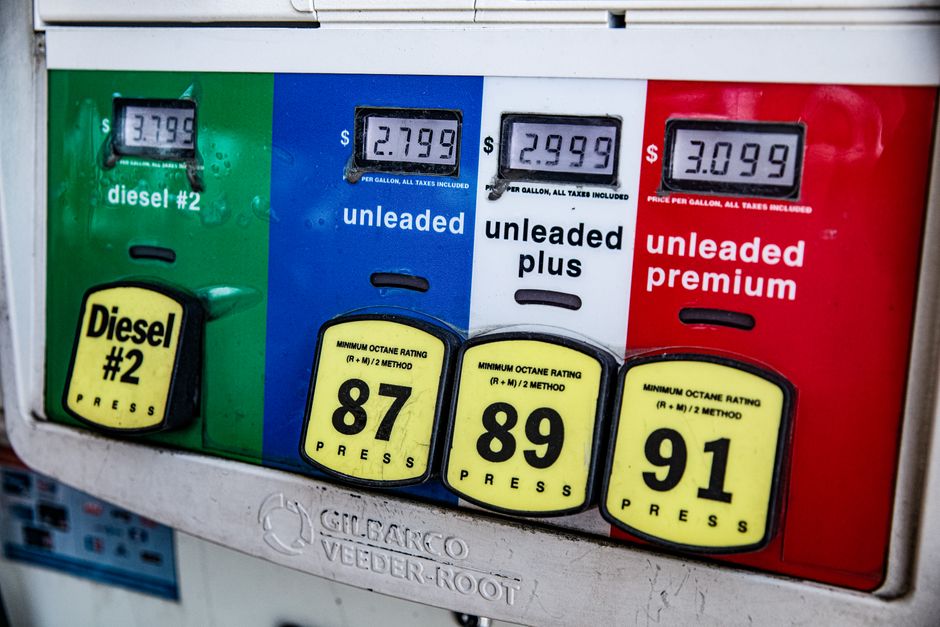
The convergence of these events — the revocation of waivers, the pipeline proposal, the LNG incident, and the Treasury signal — points to a period of elevated risk. The Strait of Hormuz remains the world's most critical energy chokepoint, and any disruption there will reverberate from gas stations to central banks.
In the near term, all eyes are on Iran's response. Will it retaliate with further attacks? Escalate its nuclear program? Or seek a diplomatic off-ramp? Qatar's mediation may be the best hope for de-escalation, but its role is now under strain. Meanwhile, Israel's pipeline vision will take years to realize, if it ever does.
For markets, the message is clear: the era of low volatility and easy assumptions about energy security is over. Investors should brace for swings in oil prices, currency markets, and sovereign debt as the geopolitical landscape shifts beneath them.