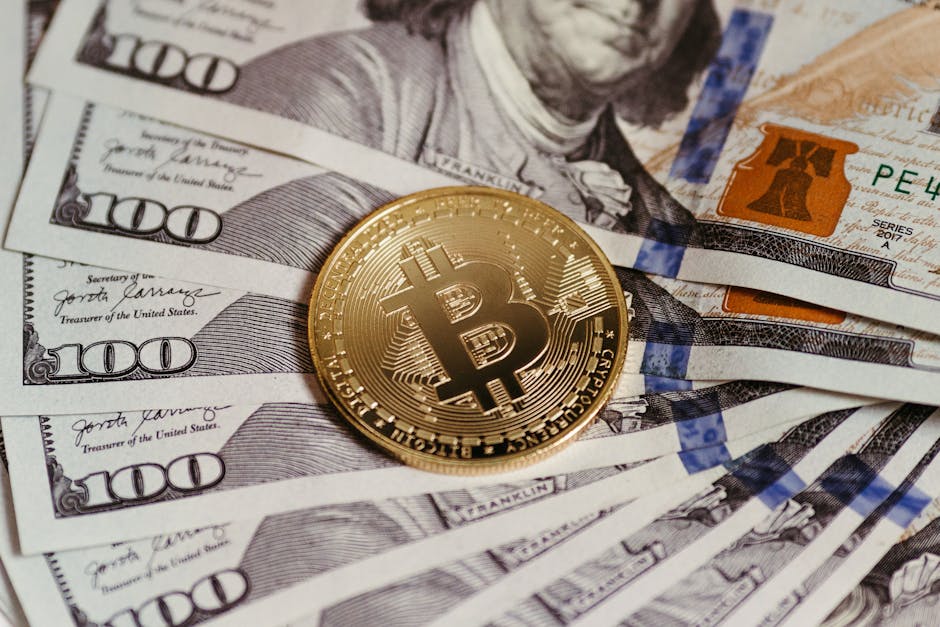
The clock is ticking on a US-Iran peace deal that could redraw the geopolitical map and ripple through global oil markets and cryptocurrencies. With a Sunday deadline, President Trump’s choice between diplomacy and military action is already moving markets.
What to know
- President Trump is set to decide on a US-Iran peace deal by Sunday, May 24, 2026, according to multiple reports from Crypto Briefing.
- Bitcoin has dropped to a two-week low, reflecting market anxiety over the uncertain outcome.
- A potential peace deal could stabilize global oil markets, reducing risk premiums and reshaping energy supply chains.
- The alternative — military action — would likely trigger a spike in oil prices and a flight to safe-haven assets, including cryptocurrencies like Bitcoin.
- Wording disputes between the US and Iran continue to linger, delaying finalization of the agreement.
- A ceasefire extension is also on the table, which would temporarily ease tensions but leave underlying issues unresolved.
- The decision marks a defining moment for the Trump administration’s foreign policy and its impact on financial and digital asset markets.
The Geopolitical Crossroads
The US and Iran are at an inflection point. After months of back-channel talks and a tentative ceasefire, the clock is now down to hours. The Trump administration, known for its unpredictable approach to foreign policy, faces a binary choice: finalize a peace deal that could define a new era in Middle East diplomacy, or pivot to military action that would plunge the region back into uncertainty.
This is not just a diplomatic chess match. The stakes extend far beyond the US and Iran. Global oil markets, already sensitive to any disruption in the Strait of Hormuz, are watching closely. A peace deal would remove a persistent risk premium from crude prices, potentially lowering costs for consumers and businesses worldwide. Conversely, military escalation could send oil prices surging, reigniting inflationary pressures that central banks are still battling.
A peaceful resolution would mark the first major diplomatic breakthrough between Washington and Tehran in decades, with profound implications for the entire Middle East.
Oil Markets in the Balance
Oil traders are pricing in a range of outcomes, but the direction of crude prices hinges entirely on Trump's decision. The potential peace deal, if finalized, could unlock Iranian oil exports that have been constrained by sanctions, adding supply to a market already grappling with demand uncertainty. Analysts note that even the prospect of an agreement has tempered recent oil price spikes.
However, wording disputes continue to slow progress. Sources indicate that key language around nuclear enrichment and regional influence remains contentious. Without a clean agreement, the risk of a breakdown — and subsequent military action — remains high. In that scenario, oil markets would likely see a sharp rally as traders price in supply disruptions.
Bitcoin and the Risk Premium
The crypto market, often seen as a hedge against geopolitical instability, has not been immune to the uncertainty. Bitcoin dropped to a two-week low, signaling that investors are pricing in heightened risk. The correlation between crypto and traditional risk assets has been debated, but the Iran situation underscores how geopolitical shocks can ripple into digital assets.
If a deal is struck, Bitcoin could benefit from a broader risk-on sentiment as global stability improves. However, if military action ensues, the initial flight to safety could include crypto, though history shows mixed reactions. The decision’s outcome may also influence regulatory attitudes toward crypto as a geopolitical tool, especially amid sanctions debates.
The intersection of diplomacy and digital finance is becoming impossible to ignore. Trump's choice on Iran may set a precedent for how geopolitical risk is priced into Bitcoin and other cryptocurrencies.
The Sunday Deadline
Both sides have committed to finalizing the deal by Sunday afternoon. The tight timeline creates a pressure cooker environment for negotiators. Any misstep could unravel months of painstaking talks. The Trump administration’s willingness to walk away from the table has been a consistent theme, and the president’s personal involvement adds another layer of unpredictability.
Crypto Briefing reports that the ceasefire extension, initially seen as a positive step, may not be enough to bridge the remaining gaps. The wording disputes, in particular, reflect deep mistrust on both sides. A failure to agree by Sunday would likely lead to an escalation of tensions, with the US resuming or increasing military pressure.
Wording Disputes and Diplomatic Hurdles
Diplomatic negotiations often founder on specifics, and the US-Iran talks are no exception. The exact phrasing around nuclear inspections, sanctions relief, and regional troop deployments remains unresolved. Negotiators are racing to find language acceptable to both sides, but the clock is ticking.
These disputes are not mere semantics. They represent fundamental disagreements about the scope and durability of any agreement. Iran seeks guaranteed sanctions relief and recognition of its regional role; the US demands verifiable nuclear constraints and cessation of support for proxy forces. Bridging this gap in a matter of days is a monumental task.
What a Deal Means for Crypto
A successful US-Iran peace deal would have several implications for the crypto ecosystem. First, stable oil prices could reduce inflation fears, potentially leading to looser monetary policy — a tailwind for Bitcoin. Second, the diplomatic success might boost investor confidence in emerging markets and alternative assets. Third, Iran's potential reintegration into the global financial system could see the country’s crypto miners ramp up operations, affecting network hash rates.
However, a deal would also reduce the safe-haven appeal of Bitcoin for investors seeking protection from geopolitical turmoil. The net effect is uncertain, but the direction of travel will be clearer once Trump announces his decision.
The crypto market is bracing for volatility. Traders are positioning for either outcome, but the range of possible moves underscores the interconnectedness of geopolitics and digital assets.
What Military Action Would Mean
If diplomacy fails, the consequences could be severe. Military action by the US against Iran would likely trigger a regional conflict, disrupting oil supplies and sending energy prices sky-high. Safe-haven demand could boost Bitcoin initially, but the broader economic fallout — including potential sanctions and trade disruptions — could weigh on risk assets.
History suggests that crypto markets react chaotically to large geopolitical shocks. The Iran scenario is particularly fraught because of its potential to trigger a global energy crisis. Bitcoin could become a preferred asset for capital flight in the region, but global market turmoil might offset these gains.
Looking Ahead
The Trump administration’s decision on Iran represents one of the most consequential foreign policy moments of the presidency. The outcome will not only shape the Middle East but also determine the trajectory of oil markets and the crypto ecosystem for months to come. With a Sunday deadline looming, all eyes are on the negotiating table — and on Bitcoin's price chart.
Whether it’s a peace deal that stabilizes the region or military action that upends it, the ripple effects will be felt from the oil fields of the Persian Gulf to the digital wallets of Bitcoin holders worldwide. The countdown has begun.