The fragile truce between the United States and Iran has collapsed, plunging the Middle East back into open conflict and rattling global markets. Military strikes have been exchanged, with Iran launching missiles toward a US air base in Kuwait and the US responding in kind. For crypto investors, the violence underscores an uncomfortable truth: bitcoin and its peers are not yet the safe-haven assets many hoped for.
What to know
- The US-Iran ceasefire brokered under the Hormuz agreement collapsed on May 28, 2026, after both sides accused each other of violations.
- Iran struck a US air base in Kuwait with missiles, and US Central Command confirmed an Iranian missile launch toward Kuwait.
- The US and Iran traded military strikes, marking the most direct confrontation between the two nations in years.
- Global markets, including cryptocurrencies, reacted sharply, with bitcoin dropping and broader risk assets selling off.
- Oil prices surged on fears of supply disruption through the Strait of Hormuz, threatening higher inflation globally.
- Crypto Briefing reported that the escalation “highlights geopolitical risks’ profound impact on financial systems.”
- The event challenges the narrative that cryptocurrencies are a geopolitical safe haven.
The Fragile Ceiling Shatters
The collapse of the US-Iran truce marked the sudden end of a brief period of relative calm in the Middle East. Under the Hormuz deal, both sides had agreed to de-escalate tensions that had simmered for years. But on May 28, reports emerged of an Iranian missile launch toward Kuwait, followed by a direct strike on a US air base there. US Central Command confirmed the attack, and within hours, retaliation followed.
“The collapse of the US-Iran truce destabilizes global markets, highlighting geopolitical risks' profound impact on financial systems.”
For markets, the timing could not be worse. Global investors were already on edge over inflation and tightening monetary policy. The sudden re-ignition of hostilities sent oil futures soaring and triggered a flight from equities and crypto alike.
Military Strikes and Regional Fallout
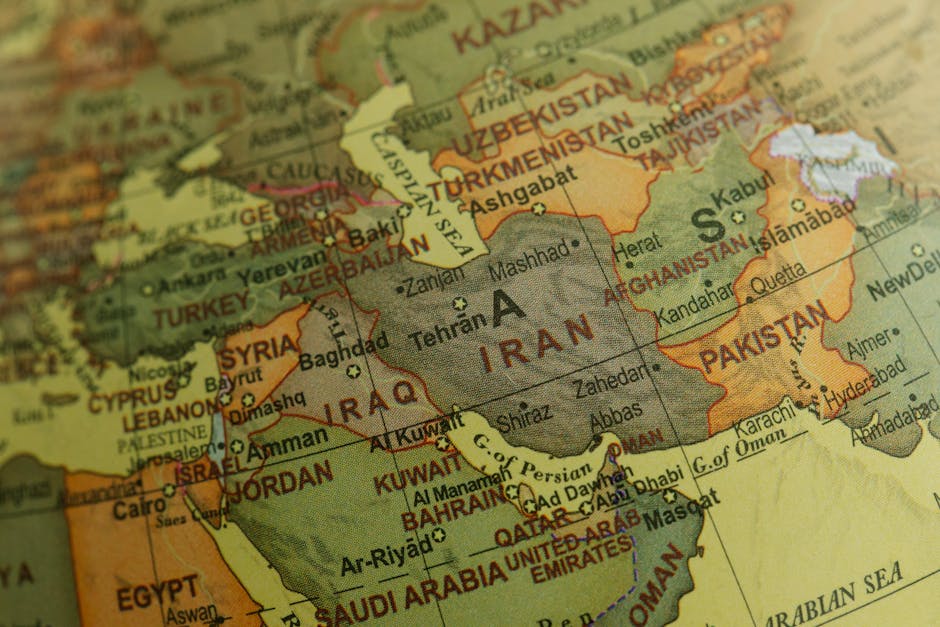
The military dimension is stark. Iran’s missile launch toward Kuwait represents a significant escalation—one that draws a key US ally into the crossfire. The US response, while not detailed in initial reports, signals a willingness to match force with force. The region now faces the prospect of a protracted conflict that could draw in other Gulf states.
Kuwait finds itself on the front line, hosting US forces that now face direct attack. The threat to oil infrastructure in the region is immediate, with the Hormuz strait—a chokepoint for global crude—once again in the spotlight.
Oil Prices and Inflation Fears
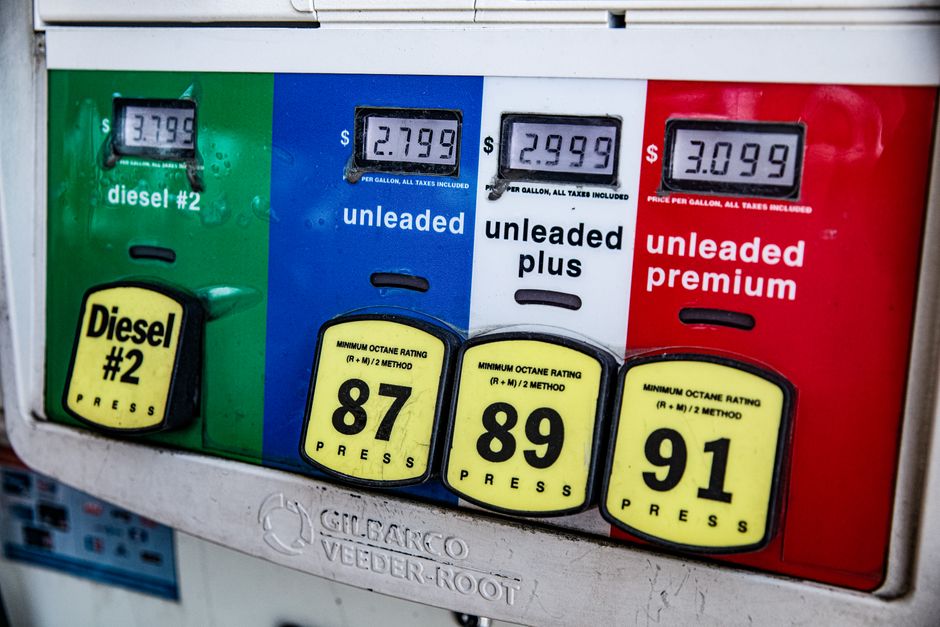
Oil prices spiked as news of the strikes broke. Analysts warn that sustained disruption could push Brent crude well above $100 a barrel, reigniting inflation pressures that central banks have struggled to tame. The economic fallout would be felt worldwide, from higher gasoline prices to increased borrowing costs.
For cryptocurrency markets, the link to oil is indirect but real. Rising energy costs hit miners, and broader inflation fears often prompt a sell-off in risk assets. Bitcoin, which had been trading in a tight range, dropped sharply on the news, though specific price data was not immediately confirmed by official sources.
Crypto as a Risk Asset – Not a Safe Haven?
One of the most striking takeaways from this episode is the performance of cryptocurrencies under geopolitical stress. Despite the industry’s narrative that bitcoin is “digital gold,” it behaved like a high-beta risk asset during the US-Iran escalation. As the truce collapsed, crypto markets reeled alongside stocks.
“Geopolitical tensions heighten market volatility, challenging crypto's safe-haven status.”
This pattern is not new. Past conflicts—from Russia’s invasion of Ukraine to the 2020 Iran-US tensions—have seen bitcoin initially fall before recovering. But for now, the asset class remains tethered to macro risk sentiment.
Trump, whose administration played a key role in the Hormuz deal, faces renewed scrutiny over the diplomatic breakdown. The collapse is a blow to his foreign policy legacy and raises questions about US credibility in the region.
Who Is Affected
The immediate victims are civilians in the conflict zone, but the economic shockwaves spread far wider. Investors in both traditional and digital markets are caught off guard. Crypto exchanges reported a surge in volume as traders rushed to liquidate positions. Long-term holders may view the dip as a buying opportunity, but short-term volatility is brutal.
Crypto Briefing and other outlets have been covering the story minute-by-minute, highlighting how quickly sentiment shifts when military action erupts.
Looking Ahead
The path forward is uncertain. Diplomatic channels are reportedly still open, but trust has been shattered. The US will likely seek to reinforce its Gulf allies, while Iran may face crippling new sanctions. For markets, the key variables are oil supply and the duration of hostilities.
Cryptocurrencies, meanwhile, face an identity crisis. If they cannot serve as a safe haven during geopolitical turmoil, what is their role? The answer may emerge in the weeks ahead as investors reassess the asset class in light of real-world risks.
One thing is clear: the era of geopolitical stability is over—and markets of all kinds must adapt.