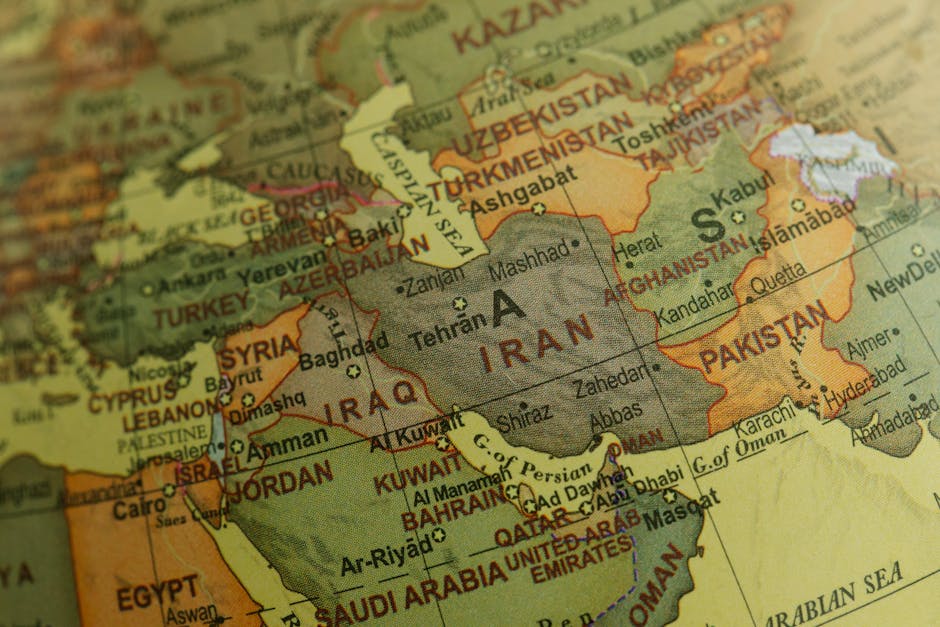
The US and Iran have exchanged fire in the Strait of Hormuz, with American forces striking radar sites and intercepting missiles after Iranian attacks on bases in Kuwait and Bahrain. The escalation threatens the world's most critical oil chokepoint and is sending shockwaves through financial markets, including cryptocurrencies.
What to know
- US Central Command intercepted Iranian missiles and conducted strikes on radar sites in the Strait of Hormuz after a series of Iranian drone launches and missile attacks.
- The Iranian Revolutionary Guard Corps (IRGC) targeted US bases in Kuwait and Bahrain following earlier American strikes on Sirik and Qeshm.
- The escalation highlights vulnerabilities in global oil supply chains, as the Strait of Hormuz handles about 20% of the world's oil transit.
- Energy costs are expected to rise, potentially fueling inflation and destabilizing both traditional and crypto markets.
- Crypto markets have already shown signs of volatility, with analysts warning of further downside amid geopolitical risk.
- The conflict underscores the interconnectedness of geopolitical events and digital asset valuations, especially in a high-inflation environment.
- Multiple reports from Crypto Briefing have tracked the unfolding events and their potential impact on investor confidence.
The Strike and the Response
The latest round of hostilities began when US forces launched strikes on Iranian radar sites after detecting drone launches from Iranian territory. The Iranian response was swift: the IRGC fired missiles at American military installations in Kuwait and Bahrain, two key Gulf allies hosting US troops. US Central Command reported successfully intercepting several of those missiles while also destroying the radar sites that enabled the attacks.
"The escalation in the Strait of Hormuz highlights vulnerabilities in global oil supply chains and underscores geopolitical risks impacting financial markets."
This exchange marks a significant escalation in the long-running shadow conflict between Washington and Tehran. The choice of targets — radar sites and bases — suggests both sides are calibrating their strikes to avoid all-out war while still projecting force.
Oil Supply Under Threat
The Strait of Hormuz, a narrow waterway between the Persian Gulf and the Gulf of Oman, is the world's most strategically important oil chokepoint. Any disruption to shipping there can send crude prices soaring. The current military activity directly threatens the free flow of oil from major producers like Saudi Arabia, Iraq, and the UAE.
Historical precedents are stark. During the Iran-Iraq War in the 1980s, tanker attacks in the Gulf caused oil prices to spike. A similar scenario today, with global oil inventories already tight, could push energy costs sharply higher, feeding into broader inflation.
Spillover into Crypto Markets
The conflict is already reverberating in the crypto space. Crypto Briefing reported that escalating US-Iran tensions threaten global oil supply, potentially destabilizing markets and impacting crypto valuations amid rising inflation. Bitcoin and other digital assets have historically been sensitive to macroeconomic shocks, and a geopolitical crisis that boosts energy prices and inflation could trigger risk-off sentiment.
Cryptocurrency markets are bracing for impact. Analysts note that higher oil prices increase energy costs for mining operations, squeezing margins and potentially reducing network hash rate. More broadly, panic in traditional markets often leads to correlated sell-offs in crypto, as investors seek liquidity rather than safe havens.
"Escalating US-Iran tensions threaten global oil supply, potentially destabilizing markets and impacting crypto valuations amid rising inflation."
Broader Geopolitical Risks
This isn't just a bilateral conflict. The involvement of Kuwait and Bahrain brings in the Gulf Cooperation Council and raises the stakes for regional stability. Iran's ability to strike US bases in two countries simultaneously demonstrates its range and willingness to escalate. Meanwhile, US strikes on Sirik and Qeshm signal a readiness to hit Iranian territory directly.
The Persian Gulf is now a flashpoint. If the conflict widens to include shipping lanes, the impact on global trade could be severe. Insurance rates for tankers will likely rise, and some shippers may avoid the region entirely. That would compound the supply shock.
Looking Ahead
The next 48 hours are critical. Diplomatic channels appear quiet, while both militaries remain on high alert. Markets will watch for further statements from US Central Command and Iranian leadership. For crypto investors, the key variables are oil prices and the Fed's response to inflation — both now heavily influenced by events in the Gulf.
If the situation stabilizes, the market may recover quickly. But if the tit-for-tat continues, expect sustained volatility across asset classes. The Strait of Hormuz is the world's economic jugular, and it's now in the crosshairs.