Drone strikes and logistical attacks escalate the conflict, as both sides hit strategic targets and civilians. Market sentiment turns cautious on Ukraine's prospects in Crimea.
What to know
- Russia targeted Ukrainian military cargo at the port of Chornomorsk in the Black Sea, marking a significant escalation in logistical warfare.
- A massive Russian drone barrage struck key regions across Ukraine, straining air defense systems and civilian infrastructure.
- Ukrainian drone raids into Russian territory killed nearly a dozen civilians, raising the civilian toll and risk of retaliation.
- Prediction markets reflect declining confidence in Ukraine's ability to reclaim Crimea, with the conflict signaling a prolonged stalemate.
- Russian forces have made only limited gains in eastern Ukraine, according to the Institute for the Study of War, suggesting neither side can achieve a decisive breakthrough.
- Western allies are scheduled to meet in Paris to discuss new air-defense commitments for Ukraine, potentially altering the battlefield dynamics.
- The Black Sea escalation highlights the intensifying importance of logistical and drone warfare in shaping the conflict's trajectory.
The Black Sea as a Logistical Battleground
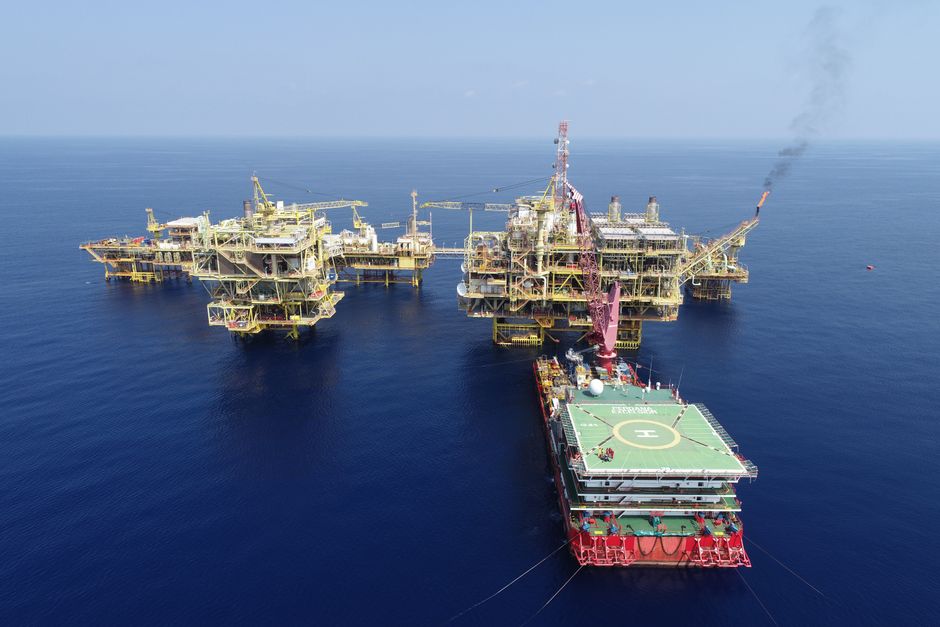
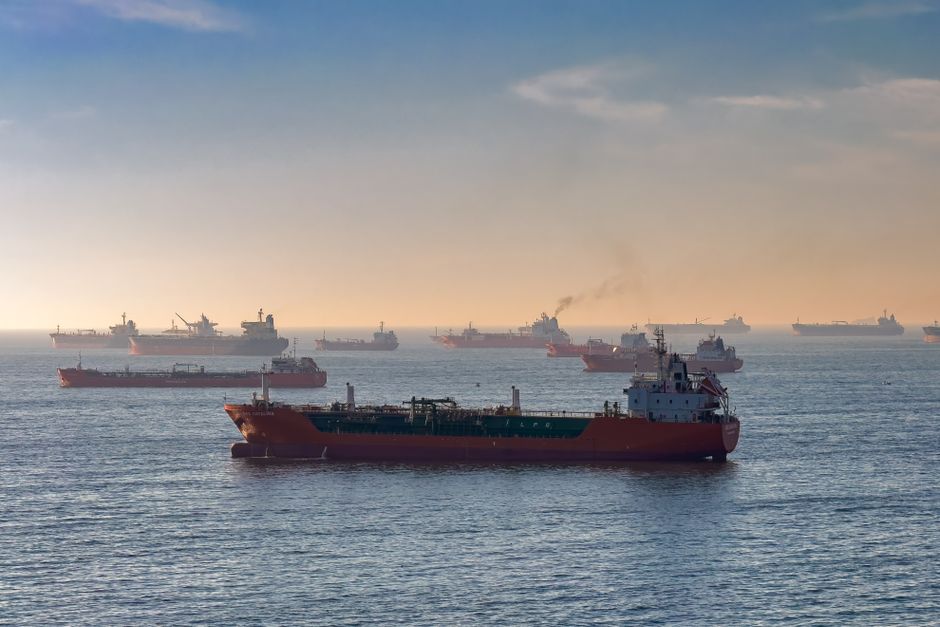
The Black Sea has become a focal point of the war, not just as a physical space but as a chokepoint for supplies and commerce. The recent strike on Chornomorsk port was a direct assault on Ukraine's military logistics. By targeting cargo at the dock, Russia aimed to interrupt the flow of weapons, ammunition, and equipment that sustains Ukraine's war effort.
This type of warfare – logistical warfare – is often overlooked but can be as decisive as frontline battles. A port strike can delay offensives, force rerouting of supplies, and increase costs for the defender. For Ukraine, maintaining open sea routes is essential for both military and economic reasons. The Black Sea also carries symbolic weight, as Ukraine has fought hard to retain access since the start of the invasion.
"The escalation in the Black Sea highlights the intensifying logistical warfare," and the consequences are being felt far beyond the port. Market dynamics react to these tactical changes, as traders and analysts adjust their expectations of the conflict's outcome.
Drone Barrages: Testing Ukraine's Air Defenses
Russia's drone strategy is not random; it is a calculated tactic to wear down Ukraine's air defense systems. By launching barrages of drones – often inexpensive but effective – Russia forces Ukraine to expend precious interceptor missiles, which are more costly and harder to replace. The recent drone attack that hit key regions across Ukraine demonstrates the breadth of the campaign.
The strain on defenses is tangible. Reports indicate that Russia's drone strategy is impacting market confidence in Ukraine's ability to reclaim Crimea. If Ukraine cannot protect its skies, retaking a heavily fortified peninsula becomes even more challenging. The drone war is thus not just a military matter but a psychological and economic one.
Ukraine's Counter-Drone Raids: A Double-Edged Sword
In response, Ukraine has taken the fight to Russian territory. Drone raids inside Russia have resulted in the deaths of nearly a dozen civilians. These strikes serve multiple purposes: they disrupt Russian operations, boost morale at home, and signal that Russia is not immune to the costs of war.
However, the civilian toll carries risks. International condemnation could mount, and Russia may use the deaths to justify even harsher attacks on Ukrainian cities. The reciprocal cycle of drone strikes raises the stakes and makes de-escalation more difficult.
The Crimea Conundrum and Market Sentiment
Crimea remains a top strategic objective for Ukraine, but the current trajectory does not favor a swift recapture. The limited gains by Russian forces – while not a victory – indicate that Russia can hold ground and even slowly advance in some areas. This has led prediction markets to lower the odds of Ukraine retaking Crimea in the near term.
Market sentiment is a powerful lens into how the conflict is perceived. When probabilities shift, it affects everything from bond yields to defense stocks. The stalemate narrative is gaining traction, and investors are pricing in a longer war. This could influence Western policy, as sustained financial support for Ukraine may face increasing scrutiny if victory seems distant.
Western Allies Step Up: The Paris Air Defense Meeting
In a sign of continued commitment, Western allies are convening in Paris to discuss air-defense support for Ukraine. The meeting comes at a critical time, as Ukraine urgently needs more systems to counter the drone threat. If new commitments are made and delivered quickly, they could alleviate the pressure on Ukraine's defenses and change the dynamics on the ground.
The effectiveness of these commitments, however, depends on logistics and training. Air defense systems are complex, and integrating them into Ukraine's existing network takes time. The Paris meeting will be a litmus test for Western unity and resolve.
The Stalemate Thesis: Limited Gains, Prolonged Conflict
The Institute for the Study of War (ISW) has assessed that Russian forces are making only limited gains in their offensive. This supports the thesis of a prolonged and indecisive conflict. Neither side is able to achieve a breakthrough, and the front lines are shifting slowly, if at all.
This strategic reality is reflected in the key points from various reports: "The limited Russian gains in Ukraine suggest prolonged conflict, impacting prediction markets and highlighting strategic uncertainties." The war is becoming a war of attrition, where each meter gained comes at a high cost.
The Human Cost and Escalation Risks
The civilian toll continues to mount. Nearly a dozen civilians killed in Ukrainian drone raids across Russia adds to the grim tally on both sides. Such incidents risk escalating the conflict further, as Russia may use civilian casualties to justify harsher measures. At the same time, Russian strikes on Ukrainian cities have killed many more civilians, but the reciprocal nature of drone attacks raises the stakes for all parties.
International law struggles to keep pace with drone warfare, and both Moscow and Kyiv have accused each other of targeting non-combatants. The lack of clear rules of engagement for drones heightens the danger of unintended escalation.
Looking Ahead
The coming weeks will bring clarity on two fronts. First, the outcome of the Paris meeting could either bolster Ukraine's defenses or expose gaps in Western support. Second, the trajectory of drone warfare will continue to shape the battlefield. If Russia sustains its drone barrage and Ukraine cannot keep up with interceptors, the strain will grow.
The Black Sea will remain a critical theater. The ability to control logistics there may determine the long-term fate of Crimea. For now, the conflict grinds forward, with both sides locked in a grim dance of drones and missiles. The world watches, and markets adjust, as the war enters another uncertain phase.